Biometric Pattern Matching Reshaping Authorization Sequences for Independent Vendors Operating Across Seasonal Pop-Up Networks
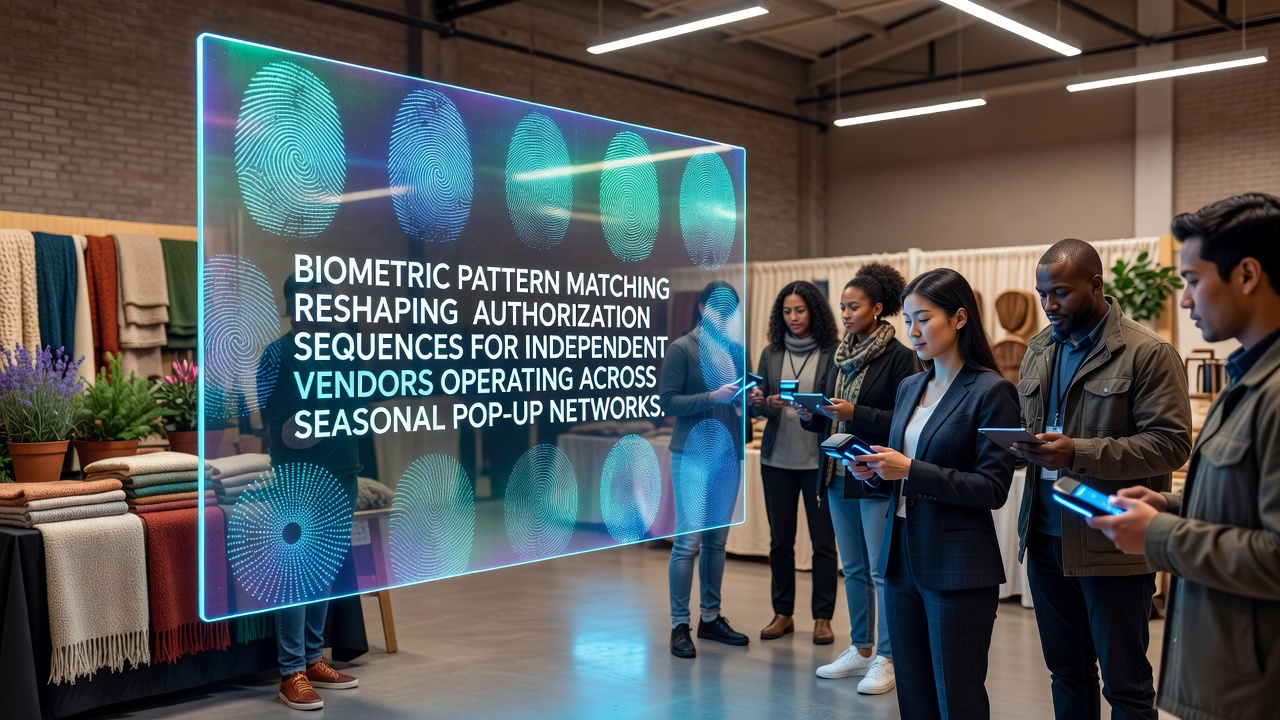
Biometric pattern matching has started altering how authorization sequences function for independent vendors who move through seasonal pop-up networks, and the shift shows up most clearly in temporary retail environments where quick transaction handling matters. These networks include farmers markets, craft fairs, and festival circuits that operate on short cycles, often requiring vendors to set up and break down equipment multiple times each season.
Core Mechanics of Pattern Matching in Authorization Flows
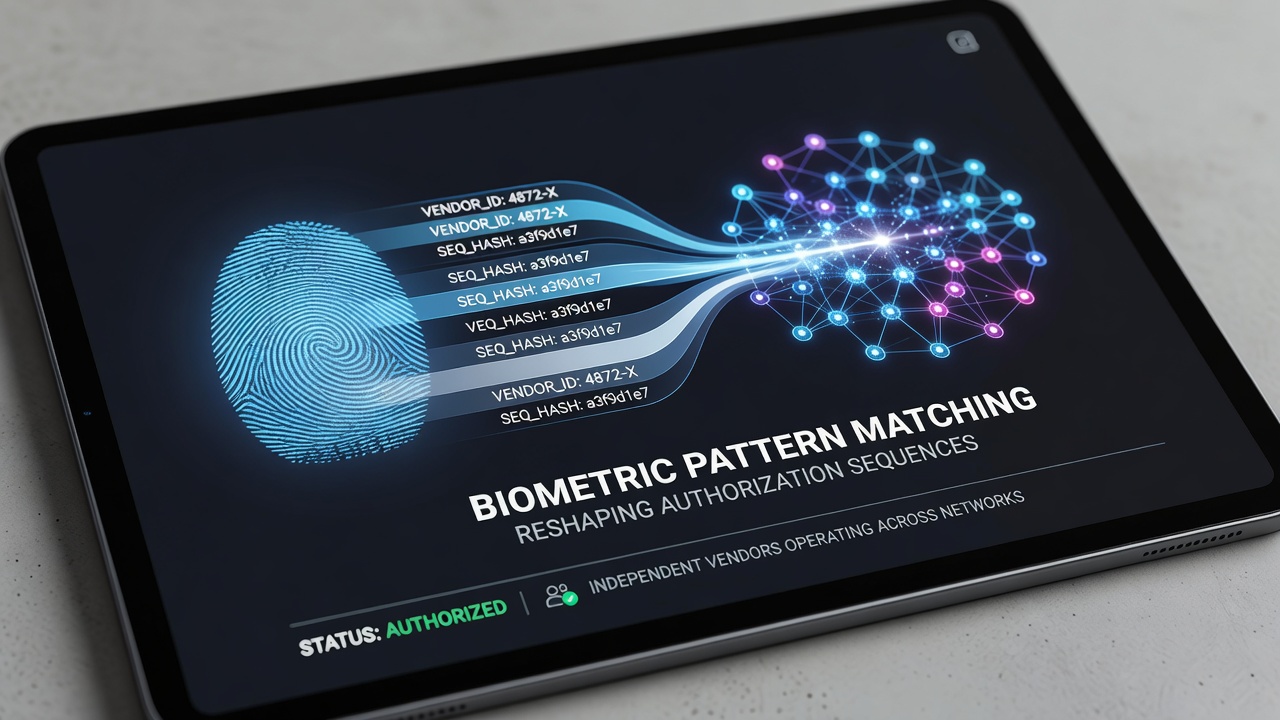
Pattern matching works by comparing live biometric samples against stored templates during each authorization request, and systems reduce the steps traditionally handled through card insertion or manual PIN entry. Vendors capture fingerprints or facial geometry on portable readers that connect directly to payment processors, which cuts the sequence from multiple stages down to a single verification event. Research from standards bodies indicates template matching occurs locally on the device first, then transmits only encrypted match scores to avoid sending raw biometric data across networks.
Independent operators gain speed because the process eliminates physical card handling while maintaining compliance with existing payment protocols, yet the approach requires consistent enrollment of each authorized user at the start of a season. Data from pilot programs shows enrollment times average under two minutes per user when vendors use standardized capture devices supplied by processors.
Deployment Patterns Across Seasonal Networks
Seasonal vendors encounter authorization challenges tied to location changes and limited infrastructure access, and biometric systems address these by operating offline for initial matching before syncing logs during scheduled batch uploads. Networks in North America and parts of Europe have tested these setups at recurring events where vendors rotate between sites weekly, which allows processors to track sequence integrity without permanent network connections.
Observers note that July 2026 marks a point where several regional payment associations plan expanded testing of biometric templates in mobile environments, building on earlier trials that measured authorization success rates above 98 percent in controlled festival settings. These tests focus on how matching algorithms handle variations in lighting, temperature, and device wear that occur during repeated setup cycles.
Technical and Regulatory Considerations
Implementation relies on template protection methods that convert biometric data into irreversible mathematical representations, and vendors must store these templates according to guidelines issued by bodies such as the National Institute of Standards and Technology. The approach limits exposure because raw images never leave the capture device during routine operations. NIST biometric standards outline testing protocols that vendors and processors follow to verify matching accuracy across different hardware models.
Regulatory frameworks in Canada and Australia require separate consent processes for biometric data collection, and vendors operating across borders manage multiple compliance layers by using processors that segment data storage by region. Reports from the Australian Payments Network show that transaction logs tied to biometric authorizations include metadata on match confidence scores, which helps reconcile disputes without exposing personal templates.
Integration with Existing Payment Infrastructure
Authorization sequences integrate with tokenization layers already present in many mobile gateways, and the combined system routes biometric match results through the same rails used for card-not-present transactions. Processors update their risk models to weight biometric confidence alongside traditional signals such as device location and transaction amount, which produces approval decisions within the same time windows vendors already expect.
Case examples from multi-site operators demonstrate that reconciliation files now carry additional fields for biometric match status, allowing automated settlement systems to flag sequences that fall below preset thresholds. Those thresholds typically sit at 95 percent similarity for fingerprints and 92 percent for facial geometry according to current processor specifications.
Operational Impacts on Vendor Workflows
Workflow changes appear in how vendors manage user access across temporary staff, and enrollment now occurs once per season rather than per location. Pop-up networks benefit because the same template works at every site without requiring repeated card provisioning, which reduces errors tied to lost or damaged physical media. Studies conducted by academic research groups have tracked reductions in authorization retries after biometric rollout, though exact percentages vary by device type and environmental conditions.
Hardware durability becomes a factor when equipment travels between events, and manufacturers have responded with reinforced readers that maintain sensor calibration through temperature swings common at outdoor venues. Maintenance logs indicate sensor cleaning intervals of once per week during peak season maintain match reliability.
Conclusion
Biometric pattern matching continues to modify authorization sequences for vendors in seasonal networks by shortening verification steps while preserving data protection standards set by multiple regulatory regions. The technology aligns with existing payment rails, supports offline operation in remote locations, and adapts to the frequent movement that defines these operations. Continued testing scheduled through 2026 will supply additional performance data across varied climates and hardware configurations, giving processors and vendors measurable benchmarks for future scaling decisions.