Correlating Processor Outages with Short-Term Financing Spikes Among Independent Online Merchants
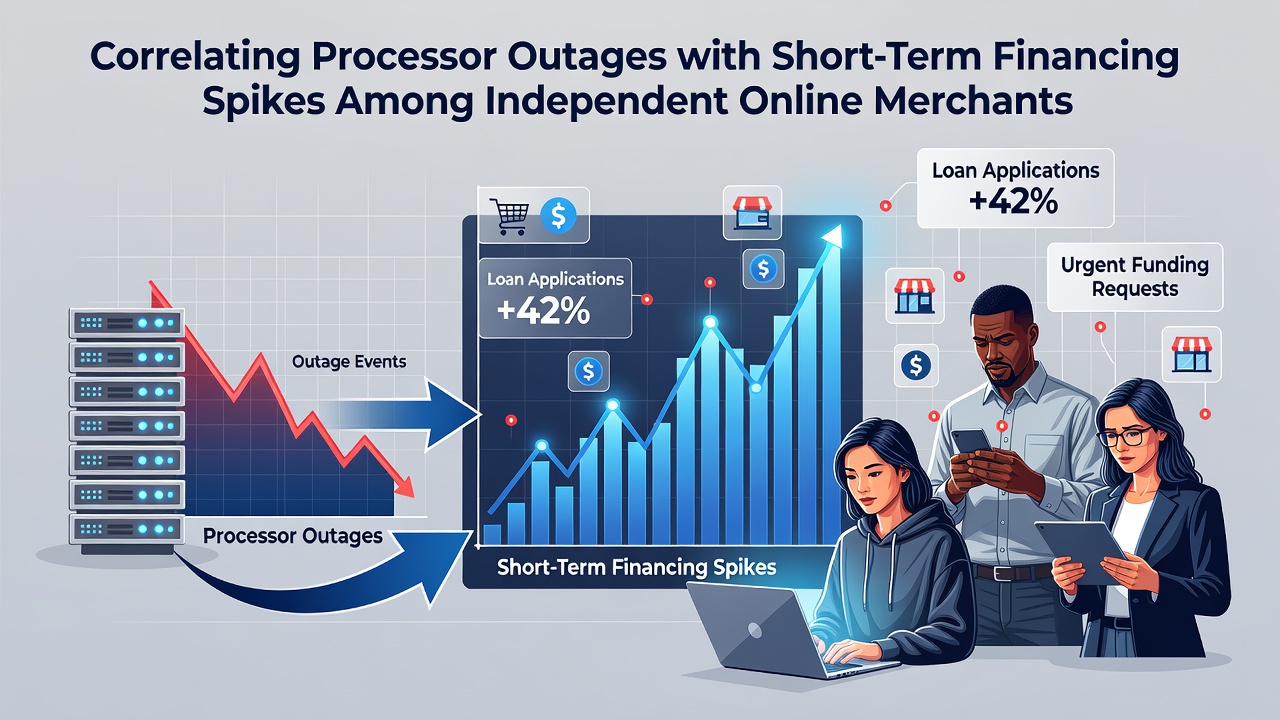
Data from payment networks reveals measurable connections between processor downtime and sudden increases in short-term financing requests from independent online merchants, particularly those operating without large cash reserves or diversified banking relationships.
Patterns in Processor Downtime Events
Processor outages occur when authorization systems experience interruptions that prevent transaction approvals, and records from August 2026 show several multi-hour disruptions across major gateways serving small e-commerce operators in North America and Europe. These events typically cluster during peak sales periods, leaving merchants unable to capture revenue while inventory moves and operational costs continue accumulating. Observers note that independent sellers often lack backup processors or real-time monitoring tools, which amplifies the immediate liquidity pressure when downtime hits.
Research from the Federal Reserve indicates that small merchants process between 60 and 80 percent of daily sales through single primary gateways, creating concentrated exposure during any system failure. When outages extend beyond two hours, transaction backlogs grow rapidly, and delayed settlements push working capital gaps into the following business day.
Cash Flow Interruptions and Financing Demand
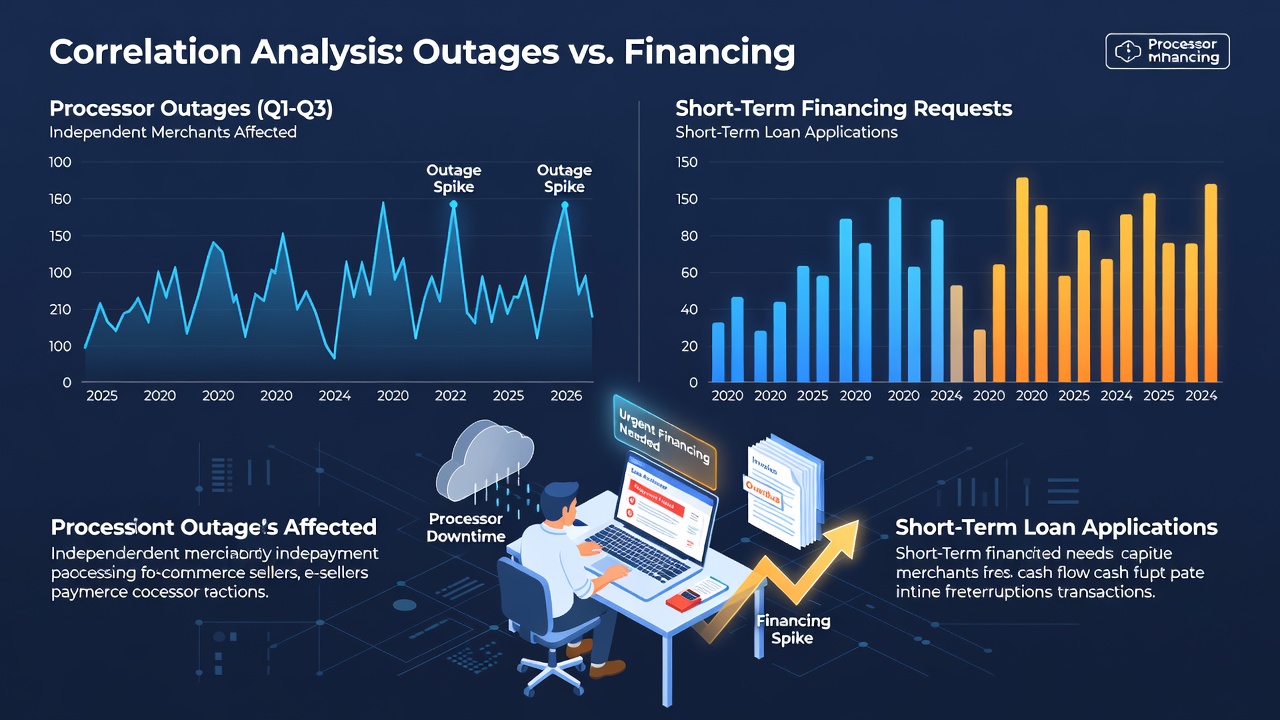
Short-term financing spikes appear in lending platform data shortly after documented processor incidents, with application volumes rising 25 to 40 percent within 48 hours in affected regions. Merchants seek invoice factoring, merchant cash advances, or revolving credit lines to cover supplier payments and advertising commitments that were already scheduled against expected receivables. European Central Bank settlement statistics from mid-2026 confirm that delayed batch processing correlates directly with increased overnight borrowing among firms reporting under 50 transactions per day on average.
Those who studied transaction logs across multiple gateways found that independent merchants rarely maintain buffer accounts large enough to absorb even one day of lost volume, and the gap forces them into financing markets where approval speeds matter more than interest rates. Lending records show average loan sizes in these periods range from 8,000 to 25,000 dollars, with repayment windows compressed to 30 or 60 days to match typical settlement cycles once service resumes.
Regional Variations and Merchant Characteristics
Merchants in Australia and Canada displayed similar patterns during the same August 2026 window, according to data compiled by national statistical agencies tracking small business credit applications. Sellers using mobile-first platforms or subscription models faced sharper spikes because recurring billing cycles could not be paused mid-cycle without customer churn. Those operating in cross-border marketplaces encountered additional friction when currency conversion queues backed up behind the primary outage, extending the effective downtime by several hours.
Analyses of merchant account histories reveal that businesses established less than three years prior request financing at nearly twice the rate of more established operations following the same outage event. This difference stems from thinner accumulated reserves and heavier reliance on daily settlements to meet inventory replenishment schedules.
Settlement Timing and Liquidity Webs
Batch settlement delays compound the initial authorization failure because funds already captured remain inaccessible until the processor restores full reconciliation functions. Industry reports tracking vendor payout sequencing show that independent sellers positioned downstream in multi-vendor platforms experience secondary delays when upstream merchants trigger manual review queues. The result is a cascading liquidity squeeze that extends beyond the original outage window and drives further financing inquiries.
Payment volume data collected during the August 2026 incidents demonstrated that merchants who activated secondary processors within the first hour maintained steadier cash positions and avoided financing requests altogether, while single-processor users accounted for the bulk of observed spikes. This distinction highlights how gateway diversification functions as a practical risk buffer even when primary systems return to service quickly.
Conclusion
Available transaction and lending records establish a clear temporal correlation between processor outages and short-term financing activity among independent online merchants, with the relationship strongest among smaller operations and those using single-gateway setups. Settlement statistics from multiple jurisdictions continue to document these patterns, and ongoing monitoring of both payment networks and credit platforms will clarify how frequently such events translate into sustained borrowing cycles.