Decoding Merchant Account Lifecycles: How PCI Protocols Shape Fraud-Resistant Mobile Invoicing for Global Freelance Networks
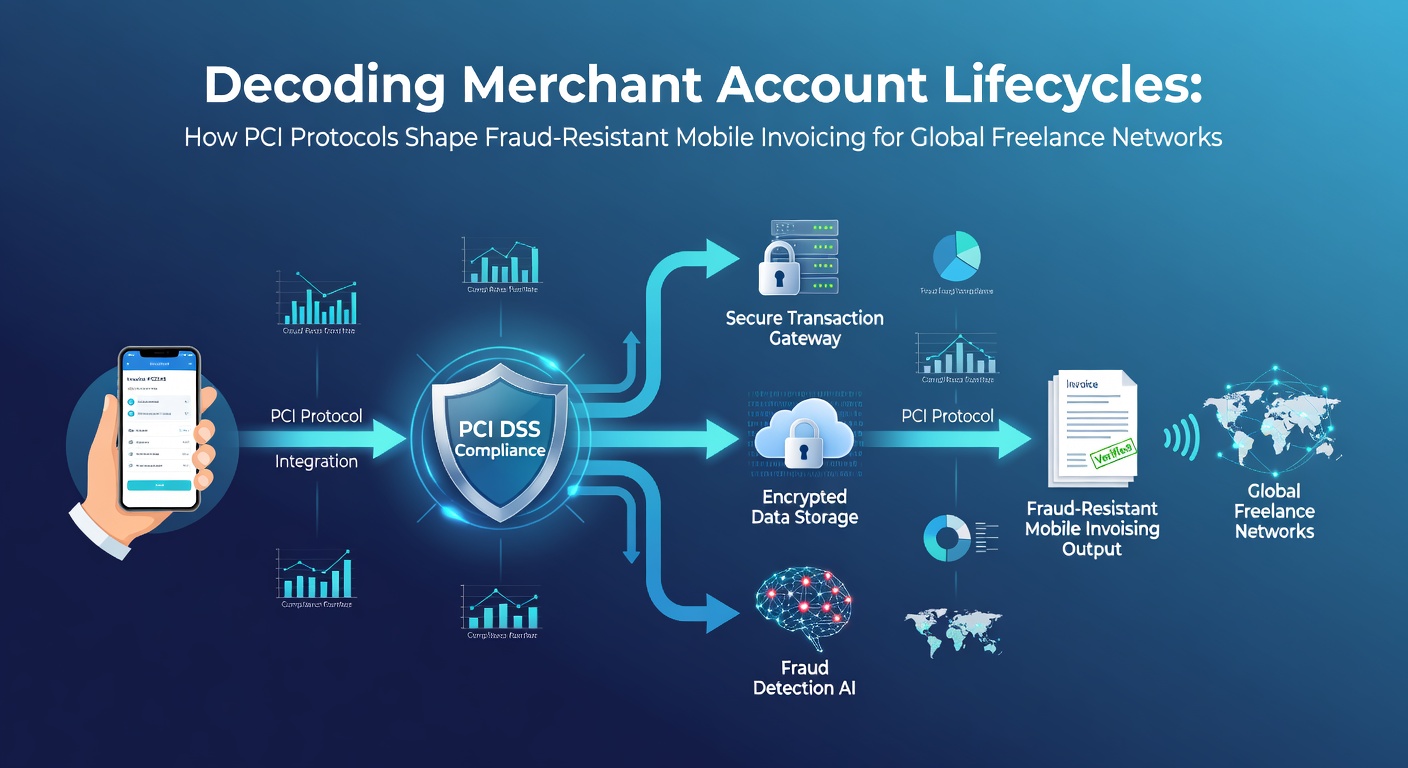 Experts observe that merchant accounts progress through distinct phases from initial setup through ongoing operations and eventual closure, with PCI DSS requirements embedded at each stage to secure transaction data. Global freelance networks rely on mobile invoicing platforms that process payments across borders, and these systems must align with compliance frameworks to minimize exposure to fraud attempts. Research from payment industry reports indicates that accounts handling recurring or one-off client invoices encounter elevated risks when data moves between mobile devices and backend processors.
Stages of Merchant Account Management
Application and underwriting form the entry point where providers review business documentation, projected volumes, and risk profiles for freelancers operating internationally. Approval leads directly into activation, during which PCI compliance validation occurs through self-assessments or onsite audits depending on transaction thresholds. Active management follows, encompassing continuous monitoring of chargeback ratios, transaction patterns, and security controls that protect invoice data transmitted via apps. Termination or migration closes the cycle when volume shifts or regulatory changes prompt account restructuring, yet data retention policies under PCI standards require secure disposal of stored card information.
Those who manage freelance payment flows note that mobile invoicing introduces variables such as device encryption and network variability that intersect with these lifecycle points. Data shows elevated scrutiny during activation for accounts projected to handle cross-border payments, since geographic diversity often correlates with higher fraud signals according to aggregated processor statistics.
PCI DSS Requirements Applied to Mobile Environments
PCI protocols mandate specific controls for any system that captures, transmits, or stores cardholder data during invoicing activities. Requirements cover network segmentation to isolate payment functions, encryption standards for data in transit over mobile networks, and access restrictions that limit freelancer dashboard permissions. Tokenization emerges as a key technique that replaces sensitive card details with unique identifiers, reducing the scope of compliance audits for platforms serving distributed teams.
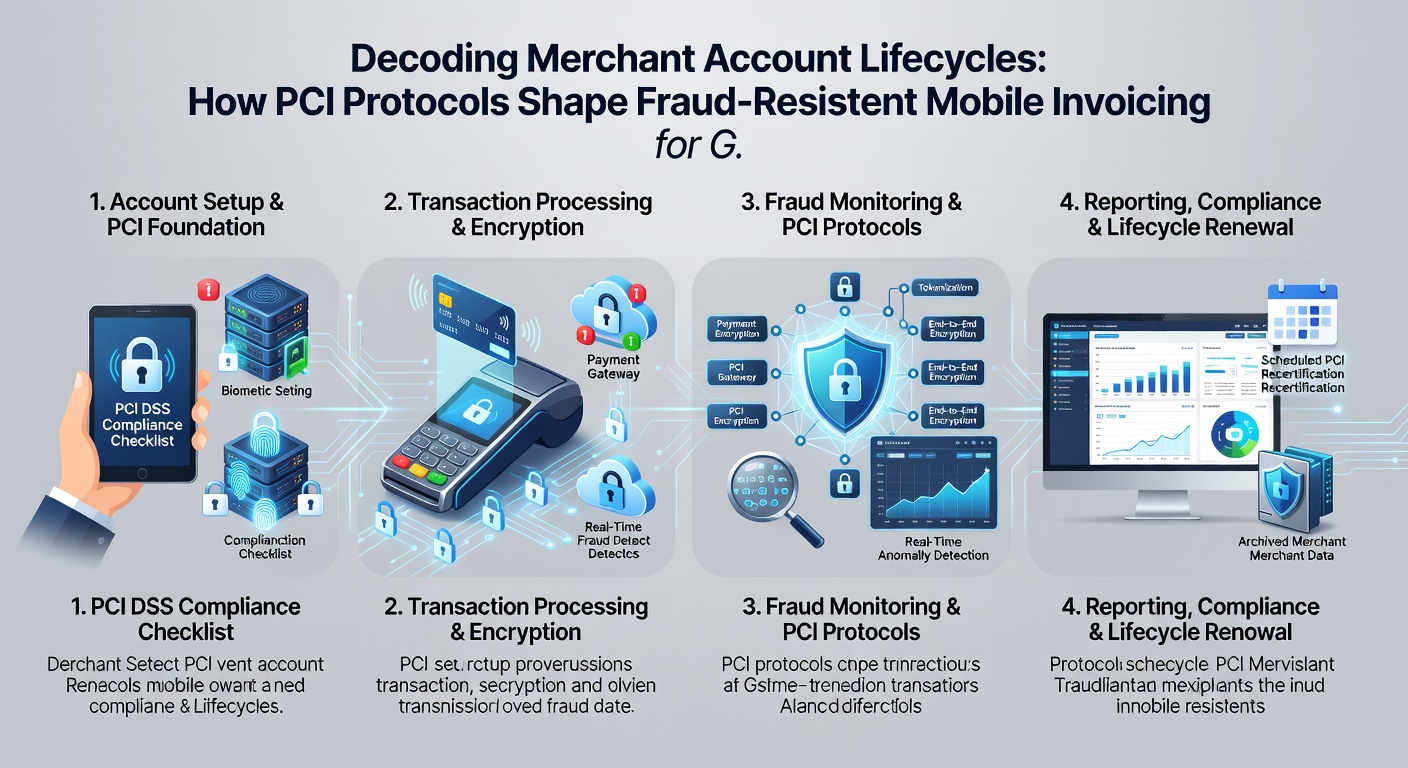
What's interesting is how version updates to the standards, including enhancements anticipated around May 2026, introduce stronger multifactor authentication mandates and expanded logging for mobile endpoints. Observers note that these adjustments affect account maintenance phases because providers must demonstrate ongoing adherence to maintain processing privileges. Figures from the PCI Security Standards Council reveal that organizations maintaining validated environments experience lower rates of data compromise during invoice generation and client reminders.
Fraud Mitigation Patterns in Global Freelance Invoicing
Velocity checks and behavioral analytics operate within merchant account monitoring layers to flag unusual invoicing sequences that might indicate testing or takeover attempts. Global networks face additional complexity when invoices cross currency zones or regulatory jurisdictions, prompting integration of geolocation signals and device fingerprinting aligned with PCI guidance. Studies from European payment authorities indicate that accounts incorporating these layered defenses report fewer successful unauthorized transactions compared with baseline implementations.
One case reviewed by Canadian financial regulators demonstrated how a freelance collective reduced dispute volumes after enforcing PCI-mandated point-to-point encryption on their mobile invoicing application. Accounts in active lifecycle stages benefit from regular vulnerability scans that identify weak points in app interfaces before they affect client payments. And yet the process remains dynamic, as new device operating systems and network protocols require continuous alignment with established security requirements.
Adaptations Across Regions and Platforms
Freelance platforms operating in multiple regions adapt lifecycle procedures to satisfy both PCI DSS and local data protection rules such as those outlined by the Australian Competition and Consumer Commission in digital commerce guidelines. Account providers coordinate with these frameworks during onboarding to ensure invoice data handling meets jurisdictional thresholds for consent and breach notification. Researchers at academic institutions studying payment ecosystems have documented how smaller networks consolidate merchant accounts under umbrella providers to distribute compliance overhead more evenly.
Turns out that token vaults maintained by processors allow freelancers to issue recurring invoices without retaining card details locally, thereby narrowing the audit surface during annual PCI reviews. This approach supports account stability through the active phase while preparing for potential termination events where data must be purged according to retention schedules.
Conclusion
Merchant account lifecycles intersect with PCI protocols at multiple control points that directly influence the security posture of mobile invoicing tools used by global freelance networks. Compliance documentation, encryption practices, and monitoring routines collectively reduce fraud exposure throughout application, activation, maintenance, and closure stages. Reports from regulatory bodies across regions continue to track how these measures evolve in response to emerging transaction patterns and technology shifts expected through 2026.