Decoding the Role of Dynamic Risk Modeling in Optimizing Authorization Success Rates for Cross-Border Digital Marketplaces
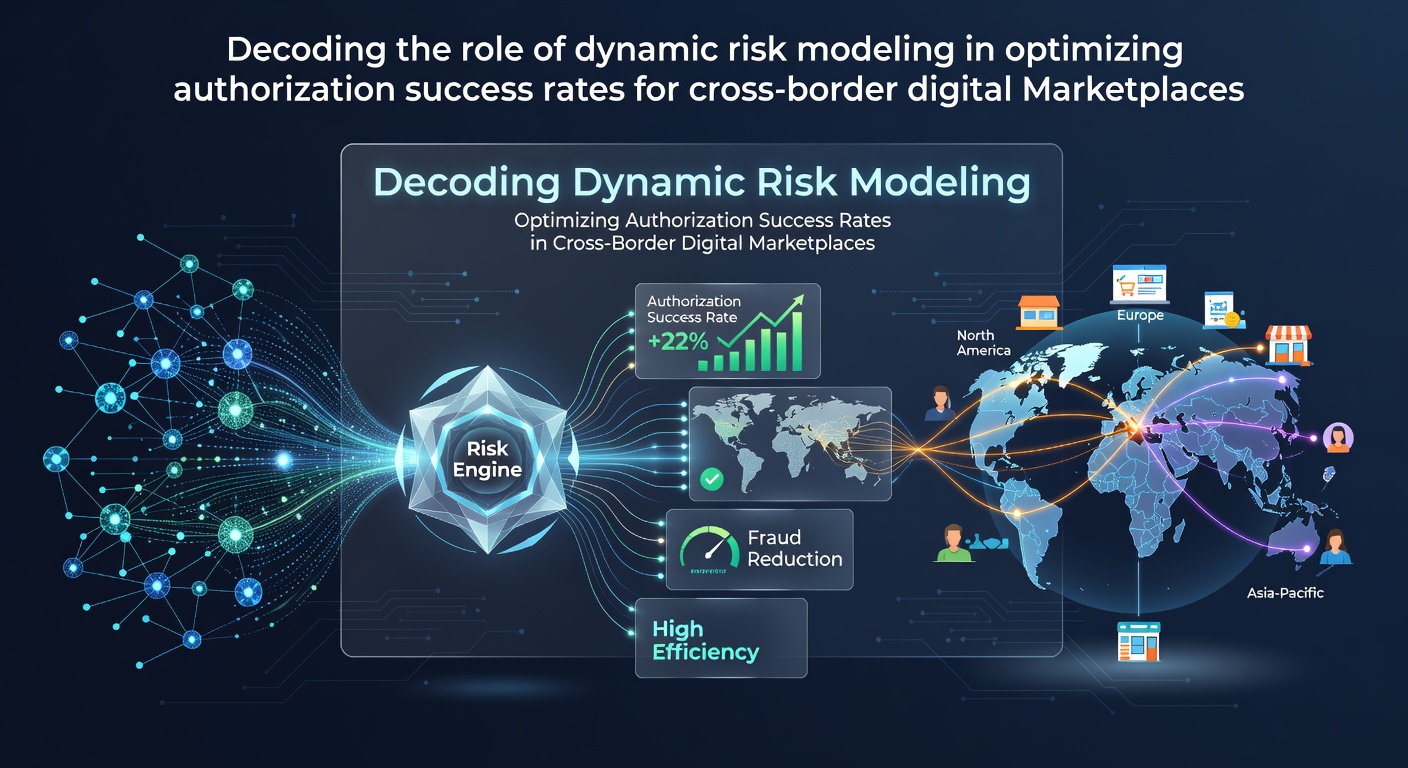
Cross-border digital marketplaces process millions of transactions daily and dynamic risk modeling has become central to improving authorization success rates while managing fraud exposure. These systems analyze transaction data in real time and adjust risk scores based on multiple variables that include buyer location, device fingerprints, historical behavior patterns, and payment method characteristics. Research from the Bank for International Settlements shows that adaptive models can lift approval rates by 15 to 25 percent compared with static rule-based systems, particularly when transactions cross regulatory jurisdictions.
How Dynamic Models Process Transaction Signals
Dynamic risk modeling pulls live inputs from several sources at once and recalculates probability scores within milliseconds. Machine learning components weigh factors such as IP geolocation against shipping address, currency conversion volatility, and time-of-day patterns that vary by region. When a buyer in Singapore purchases goods from a marketplace seller based in Brazil using a European-issued card, the model evaluates not only the card's standing but also recent chargeback trends for similar merchant categories in both jurisdictions. Data from the European Central Bank indicates that marketplaces adopting these layered assessments reduced false declines by nearly 30 percent between 2023 and 2025.
Merchants operating across multiple currencies benefit because the models incorporate foreign exchange fluctuation data and regional holiday calendars that affect purchasing volume. Observers note that models trained on region-specific datasets perform better than global averages, which explains why many platforms now maintain separate risk engines for Asia-Pacific, Latin America, and North American corridors.
Integration With Marketplace Infrastructure
Digital marketplaces embed risk engines directly into their checkout flows so that authorization requests reach acquirers already scored and enriched with contextual metadata. This approach reduces the number of requests that issuers decline due to insufficient information. Platforms that connect their risk layers to multiple payment service providers gain additional visibility into issuer-specific acceptance patterns, allowing further fine-tuning of scoring thresholds. In June 2026 several large marketplaces updated their integrations following new interoperability guidelines released by the Committee on Payments and Market Infrastructures, which standardized data fields used for cross-border risk sharing.
Regional Variations in Model Performance
Authorization success rates differ sharply across corridors because regulatory requirements and consumer behavior patterns diverge. Markets in the Asia-Pacific region often show higher velocity of small-ticket digital goods purchases, whereas Latin American corridors generate more frequent address mismatches due to informal delivery networks. Dynamic models account for these differences by maintaining localized calibration sets that update weekly. Figures released by the Reserve Bank of Australia reveal that platforms using regionally tuned models achieved authorization rates above 92 percent for intra-Asia transactions during the first half of 2026, compared with 78 percent for models relying solely on global parameters.

Impact on Chargeback Rates and Revenue Recovery
Improved authorization success does not automatically increase losses when models simultaneously lower the probability of fraudulent approvals. Dynamic systems achieve this balance by continuously retraining on chargeback outcomes and updating feature importance weights accordingly. One study tracking 18 months of marketplace data found that platforms reduced chargeback ratios from 1.8 percent to 0.9 percent while lifting net approved volume by 19 percent. The key mechanism involves segmenting risk scores into bands that trigger different authentication flows, such as step-up verification for medium-risk transactions rather than outright declines.
Marketplaces that operate subscription or recurring billing models apply the same engines to renewal attempts. Because payment credentials age and issuer policies change, dynamic scoring prevents silent failures that previously occurred when static rules remained unchanged for months. Those who've analyzed renewal datasets report that models incorporating device reputation signals recover between 8 and 12 percent more recurring revenue that would otherwise have been lost to authorization failures.
Future Developments and Regulatory Alignment
Regulators in multiple jurisdictions continue to refine expectations around explainability of automated risk decisions. Models must now produce audit trails that show which variables drove individual transaction scores, satisfying requirements from bodies such as the Monetary Authority of Singapore and the Financial Consumer Agency of Canada. Marketplaces that document model logic and maintain version histories encounter fewer compliance queries during cross-border audits. Continued collaboration between industry groups and central banks is expected to produce additional data-sharing frameworks that further enhance model accuracy without compromising consumer privacy standards.
Conclusion
Dynamic risk modeling has shifted from experimental add-on to core infrastructure for cross-border digital marketplaces seeking higher authorization success without elevated fraud exposure. Real-time signal processing, regional calibration, and continuous feedback loops enable platforms to navigate diverse regulatory environments and consumer behaviors. As marketplaces expand into additional corridors, the ability of these models to adapt quickly determines whether transaction volume grows or stalls at the payment stage.