Decoding Timing Sequences in Automated Fund Releases for Online Marketplace Participants
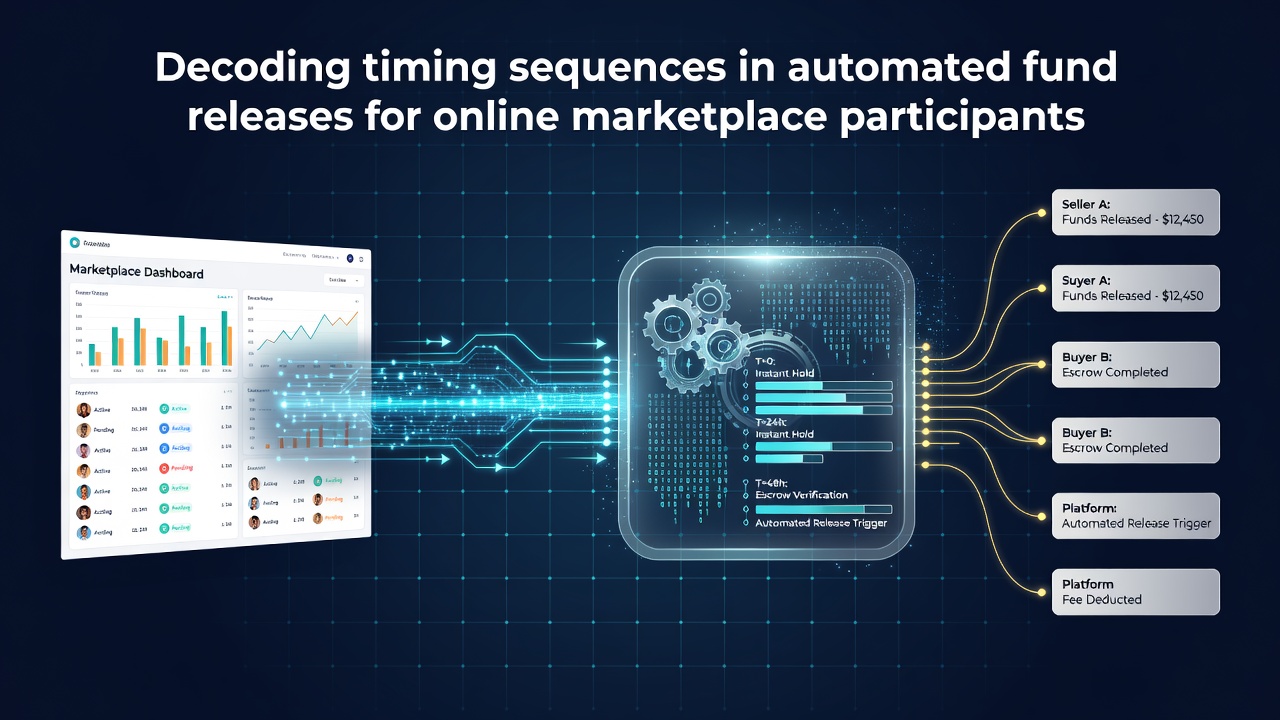
Automated fund releases in online marketplaces follow precise timing sequences that determine when sellers receive payments after transactions complete. These sequences integrate authorization holds, capture events, settlement batches, and final vendor payouts through coordinated system protocols. Observers note that the entire cycle often spans several days because platforms must align risk verification steps with banking network cutoffs before any funds move.
Core Components of Release Timing
Marketplace operators structure fund releases around multiple checkpoints that include order confirmation, payment capture, and mandatory holding periods. Data from payment processors shows that initial authorization occurs in seconds while the subsequent capture phase waits for shipment confirmation or service delivery milestones. Researchers at institutions studying digital commerce have documented how platforms insert additional buffers during high-volume periods to manage liquidity across vendor accounts.
Batch processing windows dictate much of the visible delay. Systems collect transactions throughout the day and release them at scheduled intervals that match ACH or wire network availability. This approach reduces the number of individual transfers yet creates predictable gaps between when a buyer pays and when the seller sees cleared funds in their account.
Regulatory Influences on Sequence Design
Payment service providers adjust timing sequences to meet requirements set by different regulatory bodies. The Federal Reserve's guidelines on electronic payments shape how US-based marketplaces handle weekend and holiday exclusions from settlement cycles. Meanwhile the Reserve Bank of Australia publishes data on real-time payment rails that some platforms adopt to shorten certain release windows for domestic vendors.
Observers have tracked how these rules interact with platform-specific policies. One study from a European research consortium revealed that marketplaces operating across borders often maintain separate timing layers for each jurisdiction to avoid cross-border settlement mismatches. Such layering adds complexity but maintains compliance while preserving automated flow.
Observed Patterns in August 2026 Operations
By August 2026 several major marketplaces implemented updated sequencing logic tied to new instant payment scheme expansions. These changes shortened the interval between capture and initial vendor notification in regions where central banks had rolled out enhanced 24-hour settlement capabilities. Industry reports indicate that the adjustments primarily affected high-volume categories such as electronics and apparel where rapid inventory turnover benefits from quicker cash access.
Technical Synchronization Mechanisms
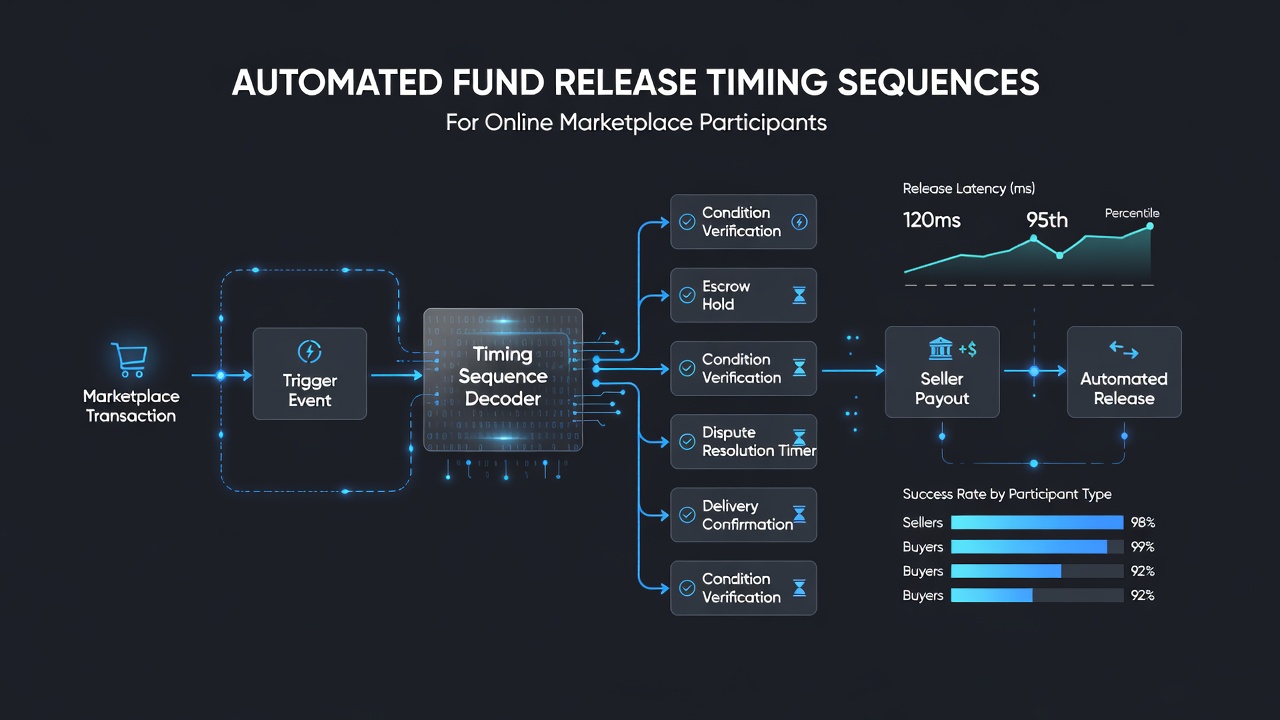
Backend systems rely on timestamp synchronization across authorization logs and settlement files to prevent premature or duplicate releases. Engineers configure triggers that activate only after both buyer-side confirmation and platform verification steps reach completion status. Any mismatch in these timestamps forces the transaction into a manual review queue which extends the overall sequence by additional business days.
People who monitor these operations often find that reconciliation files generated at the end of each batch cycle provide the clearest view of timing accuracy. Discrepancies between expected and actual release times usually trace back to currency conversion cutoffs or regional banking holidays that platforms must factor into their automated calendars.
Impact on Multi-Vendor Ecosystems
Marketplaces hosting thousands of independent sellers apply tiered timing sequences based on vendor performance metrics and historical dispute rates. Higher-performing accounts may receive earlier access to funds within the same overall cycle while newer or higher-risk participants remain subject to extended holds. This differentiation occurs through rule engines that evaluate each seller profile against platform-wide risk parameters before authorizing the final transfer.
According to figures from the Bank for International Settlements, platforms that maintain transparent timing documentation experience fewer support inquiries regarding delayed payouts. The documentation typically outlines exact batch windows and any conditions that could shift a release from one day to the next.
Conclusion
Timing sequences in automated fund releases represent a layered coordination of technical, regulatory, and operational elements that marketplaces must balance daily. As payment infrastructures evolve through 2026 and beyond, these sequences continue to adapt through refined batch schedules and expanded real-time options while preserving the core checkpoints that protect all participants.