Decrypting Risk Scoring Mechanisms: Their Hidden Influence on Dynamic Pricing Adjustments Across Global Marketplace Platforms
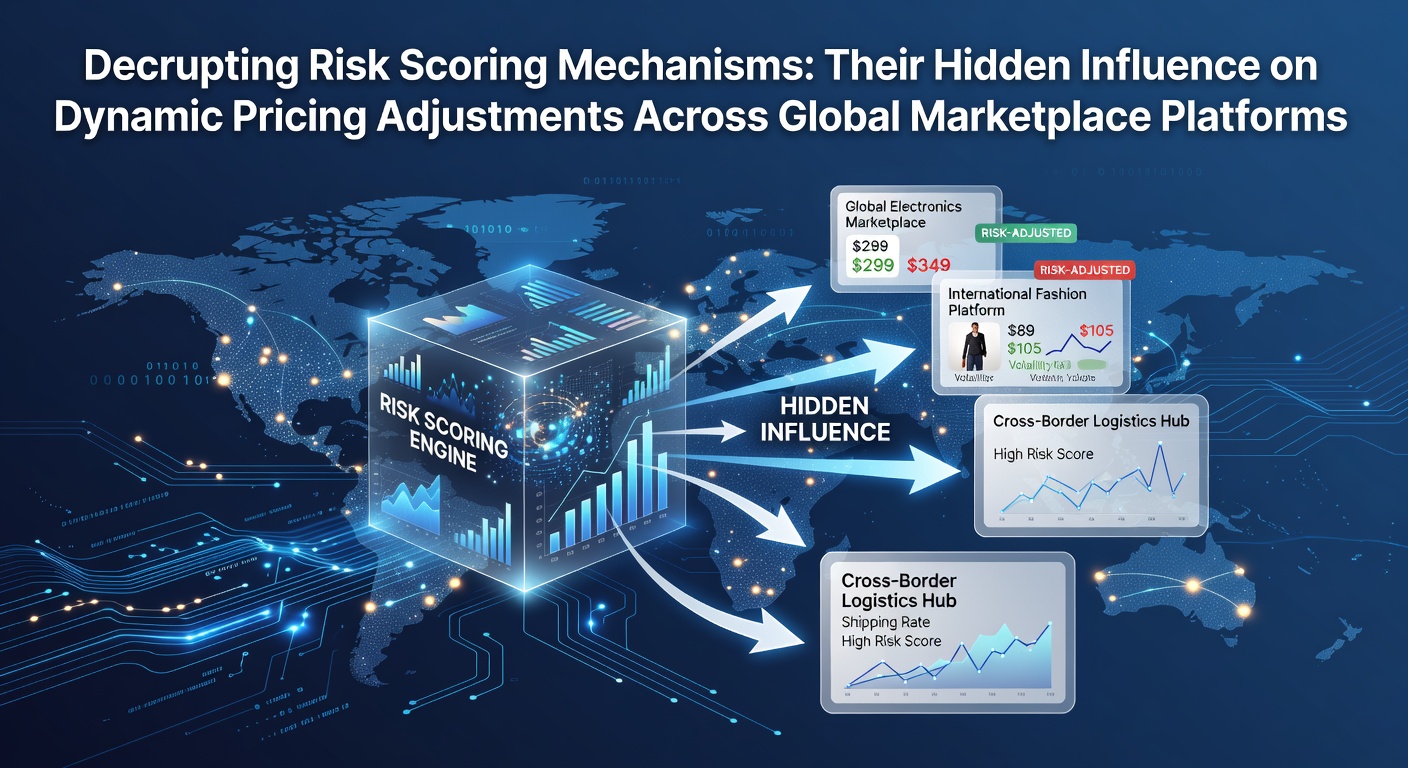
Global marketplace platforms rely on risk scoring mechanisms that evaluate transaction data, user behavior patterns, and external variables to generate numerical assessments, and these scores directly shape dynamic pricing models that adjust costs in real time across regions and sectors. Researchers at institutions tracking e-commerce trends note that platforms integrate machine learning models trained on historical datasets to calculate risk levels for buyers, sellers, and payment flows, while algorithms then modify prices based on those outputs to balance profitability with exposure mitigation.
Core Components of Risk Scoring Systems
Platforms collect inputs such as transaction velocity, device fingerprints, geographic indicators, and credit history fragments, then feed them into scoring engines that produce outputs ranging from low to high risk categories, and data from multiple continents shows these engines update continuously as new information arrives. According to reports issued by the Australian Competition and Consumer Commission, similar frameworks operate in retail and service marketplaces where risk tiers influence surge multipliers during peak periods or promotional windows. Observers note that the process begins with data ingestion layers that normalize inputs across currencies and regulatory jurisdictions before scoring models apply weighted calculations.
Weighted factors often include payment method reliability, past dispute rates, and network affiliation signals, and these elements combine to shift price points upward when aggregate risk exceeds internal thresholds. Studies conducted by academic teams in North America and Europe reveal that marketplaces apply these adjustments within milliseconds of user interaction, creating seamless variations that reflect individual session profiles rather than broad market conditions alone.
Pathways from Risk Scores to Price Adjustments
Once a risk score emerges, pricing engines map it against predefined rulesets that trigger percentage increases or eligibility restrictions, and this mapping occurs through application programming interfaces that connect fraud detection modules directly to revenue management systems. In June 2026, updated data exchange standards across several trading blocs are expected to standardize certain input fields, which may reduce discrepancies in how platforms interpret cross-border signals yet still allow localized pricing flexibility. Those who've analyzed transaction logs across platforms observe that high-risk designations frequently correlate with elevated base rates for insurance add-ons, delivery options, or premium listings.
Marketplace operators segment users into cohorts based on score distributions, then apply cohort-specific multipliers that respond to inventory levels and competitor movements, while internal audits confirm these adjustments maintain compliance with regional consumer protection statutes. The mechanism creates feedback loops where adjusted prices alter future behavior data, which in turn recalibrates subsequent scores and perpetuates the cycle across global user bases.

Regional Implementation Differences
Platforms operating in the European Union apply additional constraints derived from data protection regulations that limit certain data categories available for scoring, whereas operators in Asia-Pacific regions often incorporate broader social and logistics signals into their models. Figures released by regulatory bodies in Canada indicate that domestic marketplaces adjust pricing thresholds more conservatively when cross-referencing with federal credit reporting requirements, and similar patterns appear in Latin American implementations that emphasize currency volatility metrics. These variations produce different price outcomes for identical risk profiles depending on the user's registered location and transaction origin.
Industry analyses from research organizations highlight that platforms maintain separate scoring calibrations for each major market to account for local fraud typologies, and the result surfaces as differentiated pricing bands that reflect both risk exposure and competitive positioning within each jurisdiction.
Impact on Marketplace Participants
Sellers encounter fluctuating visibility and fee structures tied to their risk-assigned categories, while buyers experience variable totals at checkout that incorporate platform-wide risk buffers applied to payment processing. One study revealed that merchants with consistently elevated scores face restricted access to promotional tools and financing features, which compounds over successive transaction cycles. Data indicates these effects scale across thousands of daily interactions on major platforms, influencing overall market liquidity and participant retention rates.
Payment processors integrated with these systems receive risk signals that determine authorization speeds and reserve requirements, and this integration ensures pricing adjustments align with settlement risk parameters established by acquiring banks. Observers note that the cumulative influence extends beyond individual transactions to shape broader platform economics through aggregated score distributions.
Conclusion
Risk scoring mechanisms operate as foundational infrastructure within global marketplace platforms, channeling behavioral and transactional data into pricing decisions that adapt continuously across diverse regulatory environments. Evidence from multiple regions demonstrates consistent linkages between score outputs and dynamic adjustments, and these linkages persist even as technical standards evolve in 2026 and beyond. The architecture supports platform objectives around exposure management while generating differentiated economic outcomes for participants based on their assigned risk profiles.