Exploring Synchronization Protocols That Align Batch Settlements with Real-Time Authorization Logs in Distributed Commerce Networks
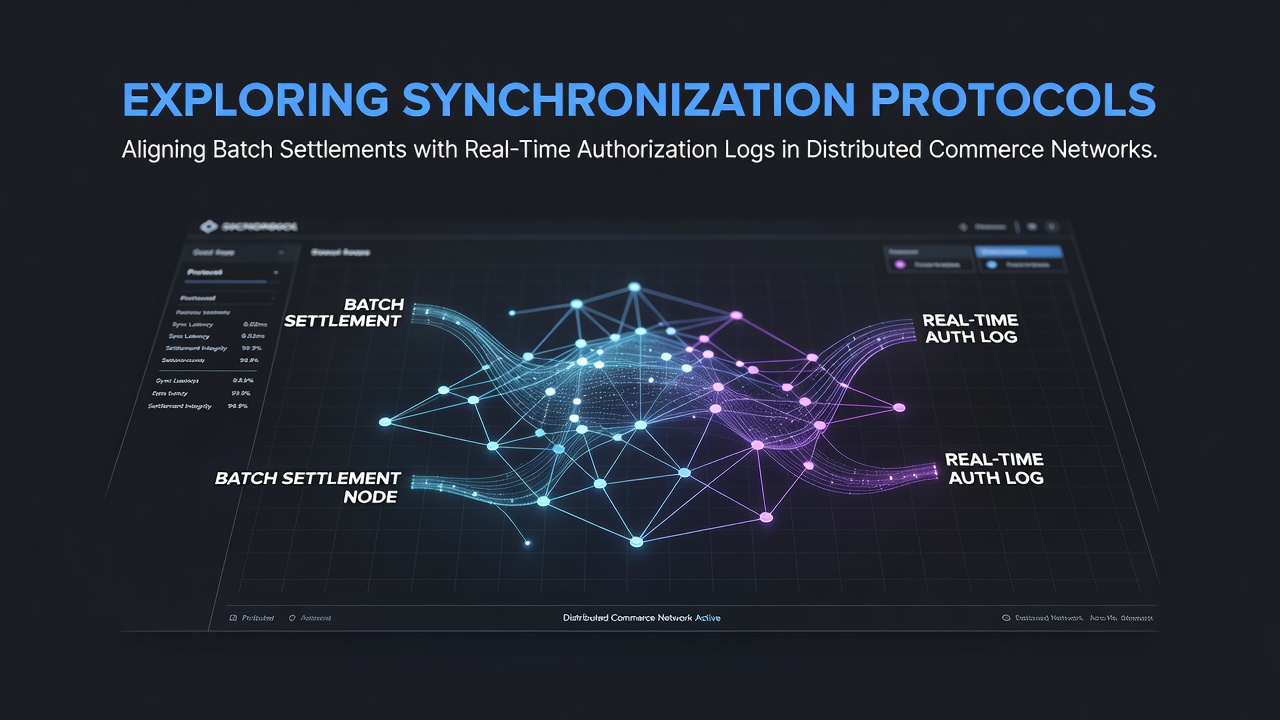
Distributed commerce networks rely on synchronization protocols that keep batch settlements matched to real-time authorization logs, and this alignment reduces discrepancies that otherwise accumulate across multiple transaction points. Observers note that payment flows in these environments generate both immediate authorization records and periodic batch outputs, so protocols must bridge the timing gap without introducing latency or data loss.
Research from transaction processing studies indicates that systems handling high volumes across regions benefit when logs capture every authorization event at the moment it occurs while batches aggregate those events for settlement at set intervals. Data from industry reports shows that mismatches between these two data streams lead to reconciliation errors, delayed fund movements, and compliance issues that surface during audits.
Core Components of Synchronization in Distributed Networks
Protocols designed for this purpose combine timestamping mechanisms, event sequencing, and state reconciliation routines that run across geographically dispersed nodes. Each node records authorization events in real time, then feeds those records into batch processes that execute on schedules determined by network rules or regulatory windows. The result is a consistent view where batch totals match the cumulative authorizations captured earlier.
Those who have examined these systems find that common approaches include eventual consistency models supplemented by conflict-resolution algorithms that activate when network partitions occur. In practice this means a batch settlement initiated in one region can reference the same authorization log entries stored on nodes elsewhere, with updates propagated through gossip protocols or publish-subscribe channels.
Implementation Patterns Observed in 2025-2026
By June 2026 several commerce platforms had adopted hybrid synchronization layers that merge ledger entries with streaming authorization feeds. These layers use sequence numbers and cryptographic hashes to verify that no authorization event is omitted from the batch calculation. Figures from cross-border payment analyses reveal that networks employing such layers report fewer settlement disputes compared with earlier architectures that treated batches and logs as separate silos.
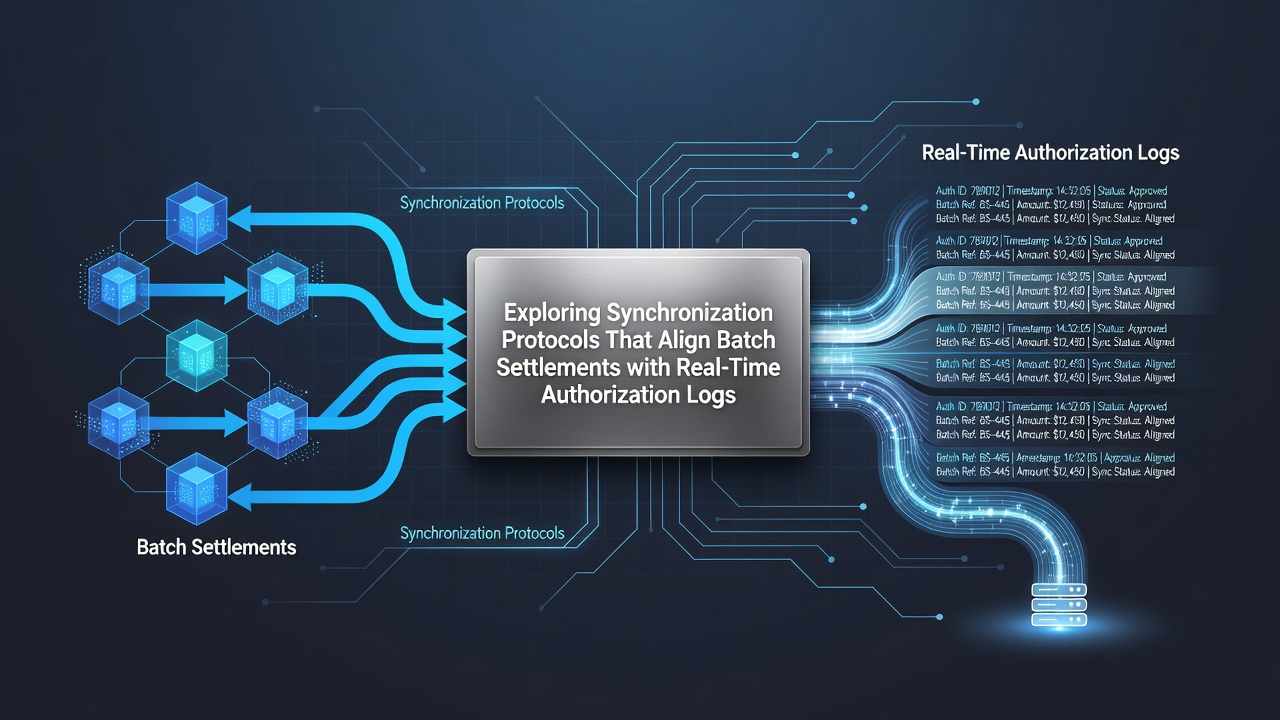
What's interesting is how these protocols handle partial failures, when one node loses connectivity yet must still produce a valid batch later. The design typically involves buffering authorization events locally, then replaying them against the shared log once connectivity resumes, with duplicate-detection rules preventing double counting. Researchers at institutions studying distributed systems have documented that this replay mechanism preserves both accuracy and auditability.
Regulatory and Operational Context
Payment frameworks in the European Union and North America require that settlement records remain traceable to individual authorizations, which drives adoption of these synchronization methods. A report issued by the Bank for International Settlements outlines expectations for real-time logging alongside periodic batch processing in multi-jurisdiction environments, and operators align their protocols to meet those expectations. Similar guidance appears in documentation from the Monetary Authority of Singapore, where emphasis is placed on maintaining log integrity during batch aggregation.
Take one network operator that integrated a protocol using vector clocks to order events across regions, and the operator observed that batch settlements completed with fewer manual interventions because authorization logs already contained verified timestamps. This pattern repeats in other deployments where the same principles apply.
Technical Challenges and Observed Solutions
Latency differences between real-time logging and batch execution create the primary challenge, yet protocols address it through windowing techniques that define safe periods for batch formation. Data shows that shorter windows increase synchronization frequency while longer windows reduce network overhead, so operators select intervals based on transaction velocity and risk tolerance.
Conflict detection routines scan for authorization events that appear in logs but not in corresponding batches, then trigger automated corrections or alerts. Those who've studied these routines note that machine-learning models sometimes assist in predicting which events require closer scrutiny, although the core verification remains rule-based.
Conclusion
Synchronization protocols that align batch settlements with real-time authorization logs form a foundational element of reliable distributed commerce networks. Evidence from operational deployments and regulatory documents confirms that consistent alignment supports accurate fund movement, compliance verification, and reduced reconciliation effort. As networks continue to expand across regions, these protocols provide the mechanisms needed to maintain coherence between instantaneous events and periodic settlements.