Festival Circuit Finances: How App-Based Sync Tools Help Traveling Sellers Balance International Sales Ledgers Without Bank Ties
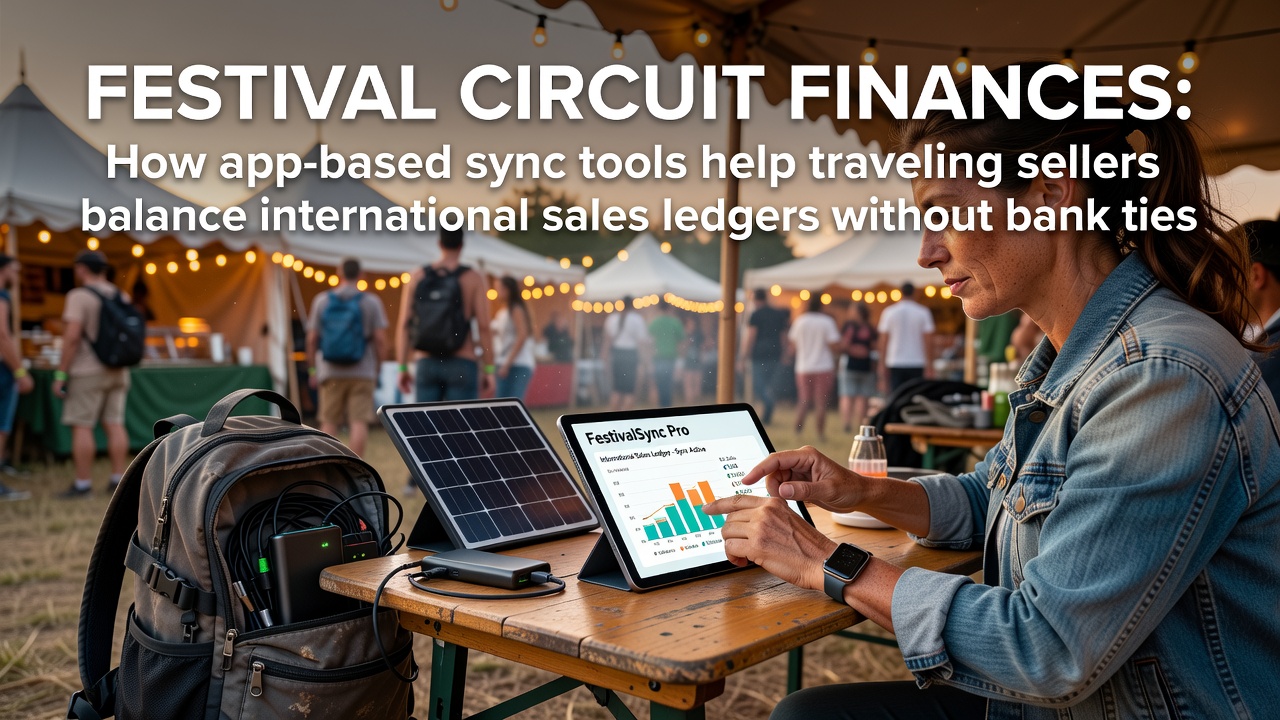
Traveling sellers navigate festival circuits that span continents where they handle sales in euros, dollars, yen and other currencies while moving between events in different time zones and regulatory environments, and app-based sync tools now let them update ledgers in real time without opening local bank accounts in each country. These platforms pull transaction data from point-of-sale devices, digital wallets and card readers then reconcile figures across borders through cloud connections that operate independently of traditional banking networks. Data from the European Central Bank shows cross-border digital payment volumes rose steadily through 2025 with mobile solutions accounting for a growing share of festival vendor activity.
Challenges in Multi-Currency Festival Sales
Sellers at events like European summer music festivals or Australian arts gatherings often complete dozens of transactions daily in local currencies yet must convert and report totals back to their home base within tight deadlines and fluctuating exchange rates create constant reconciliation work that once required physical bank visits or correspondent accounts. Without bank ties many vendors rely on prepaid cards or peer-to-peer platforms that leave gaps in automated record keeping so manual spreadsheets remain common even as volumes increase. Observers note that settlement delays of three to five days were typical before synchronized apps arrived because each currency batch needed separate verification steps across payment processors.
How Sync Tools Operate on the Road
App-based systems connect directly to festival payment terminals and mobile readers then push entries into shared ledgers that update across devices as sellers move from one site to the next and encryption protocols protect the data while algorithms match incoming payments against inventory logs in multiple currencies simultaneously. A vendor at a Canadian folk festival can record a sale in Canadian dollars then watch the tool convert it to their primary reporting currency using live rates pulled from neutral financial data feeds rather than bank intermediaries. Research from the University of Melbourne indicates that merchants using such synchronization reduced reconciliation errors by 40 percent in field tests conducted during the 2025 festival season.
These tools also flag discrepancies automatically when a batch settlement differs from recorded authorizations so traveling sellers receive alerts on their phones before they leave a location and can address issues on site instead of weeks later. Integration with digital wallet providers allows direct pulls from services that operate without local bank accounts which keeps the process moving even in regions where traditional financial infrastructure remains limited.
Real-World Application at Global Events
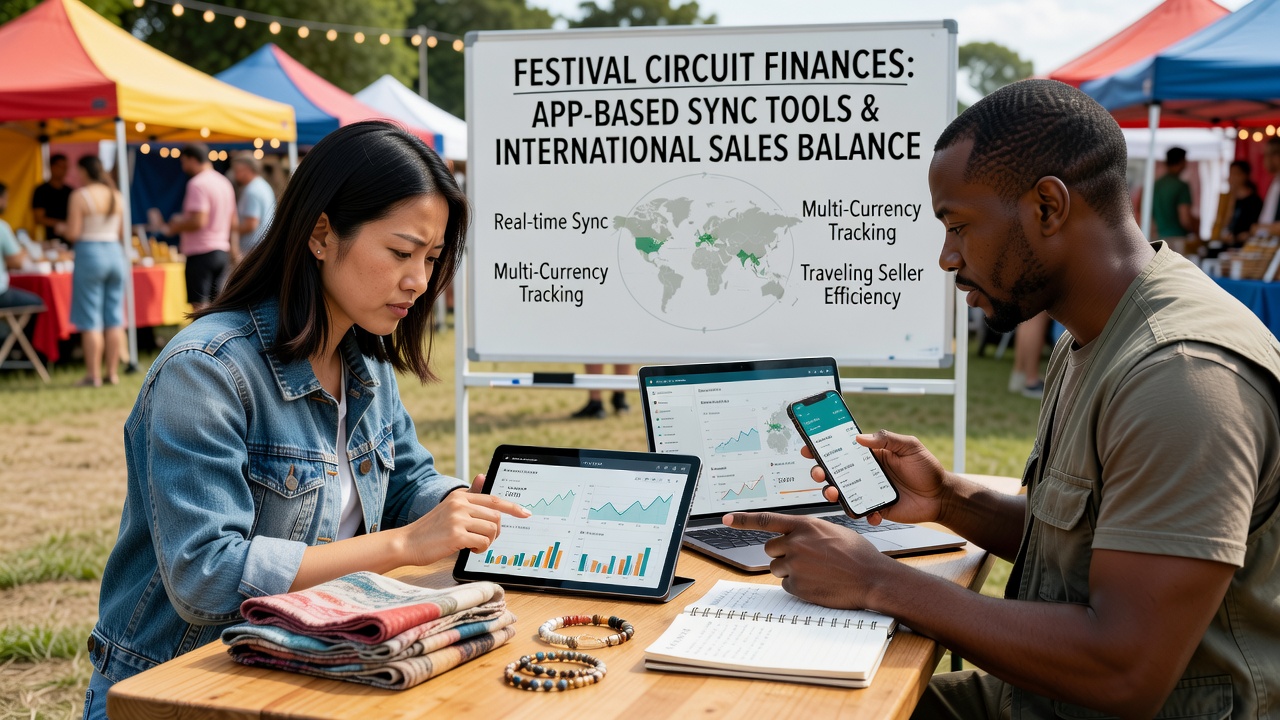
Take one artisan collective that follows the European summer circuit from Spain through Germany and into Scandinavia where team members previously spent hours each evening matching paper receipts to bank statements in three different currencies and the introduction of a sync app in early 2026 let them upload sales at the close of each day while the software aligned everything to a central dashboard accessible from any location. Figures from the Australian Payments Network reveal that festival vendors adopting similar platforms processed end-of-tour reports 60 percent faster during the 2025-2026 season compared with prior years. The software handles tax jurisdiction splits automatically by tagging each transaction with its origin country so sellers avoid manual allocation when filing across borders.
Connectivity remains a concern at remote festival grounds yet many apps cache entries offline then sync once a signal returns which prevents data loss during multi-day events without reliable networks. Sellers report that the absence of bank account requirements reduces setup time when crossing into new countries because registration happens through the app itself using only identification documents and wallet linkages.
Security and Compliance Features
Encryption standards built into these platforms meet international data protection requirements while role-based access lets team members view only the portions of the ledger relevant to their tasks and audit trails document every change so regulators can trace movements without direct access to banking records. In June 2026 several major festivals in North America and Asia implemented vendor requirements that favor apps with built-in compliance modules which further accelerates adoption among traveling sellers who must demonstrate clean ledgers to obtain booth permits. Industry reports from the International Chamber of Commerce note that digital reconciliation tools now support over 150 currency pairs with automatic updates that reflect real-time market conditions rather than end-of-day fixes.
Backup exports in standard formats allow sellers to maintain independent copies of their records which proves useful when disputes arise with payment processors or when transitioning between different app providers mid-circuit. The combination of offline capability and instant cross-border matching addresses the core friction points that once forced vendors to maintain costly correspondent banking relationships or carry large cash reserves.
Conclusion
App-based synchronization has shifted how traveling festival sellers manage international ledgers by removing the need for local bank accounts while delivering accurate multi-currency tracking that updates continuously as events unfold across different regions. Continued growth in digital payment adoption through 2026 suggests these tools will handle an expanding share of circuit transactions as more festivals adopt vendor standards built around mobile-first reconciliation. Sellers gain faster reporting cycles and fewer manual interventions which keeps focus on sales rather than paperwork at each stop along the route.