From Checkout to Cash Flow: Integrating Payment Gateways with Invoice Automation
From Checkout to Cash Flow: Integrating Payment Gateways with Invoice Automation
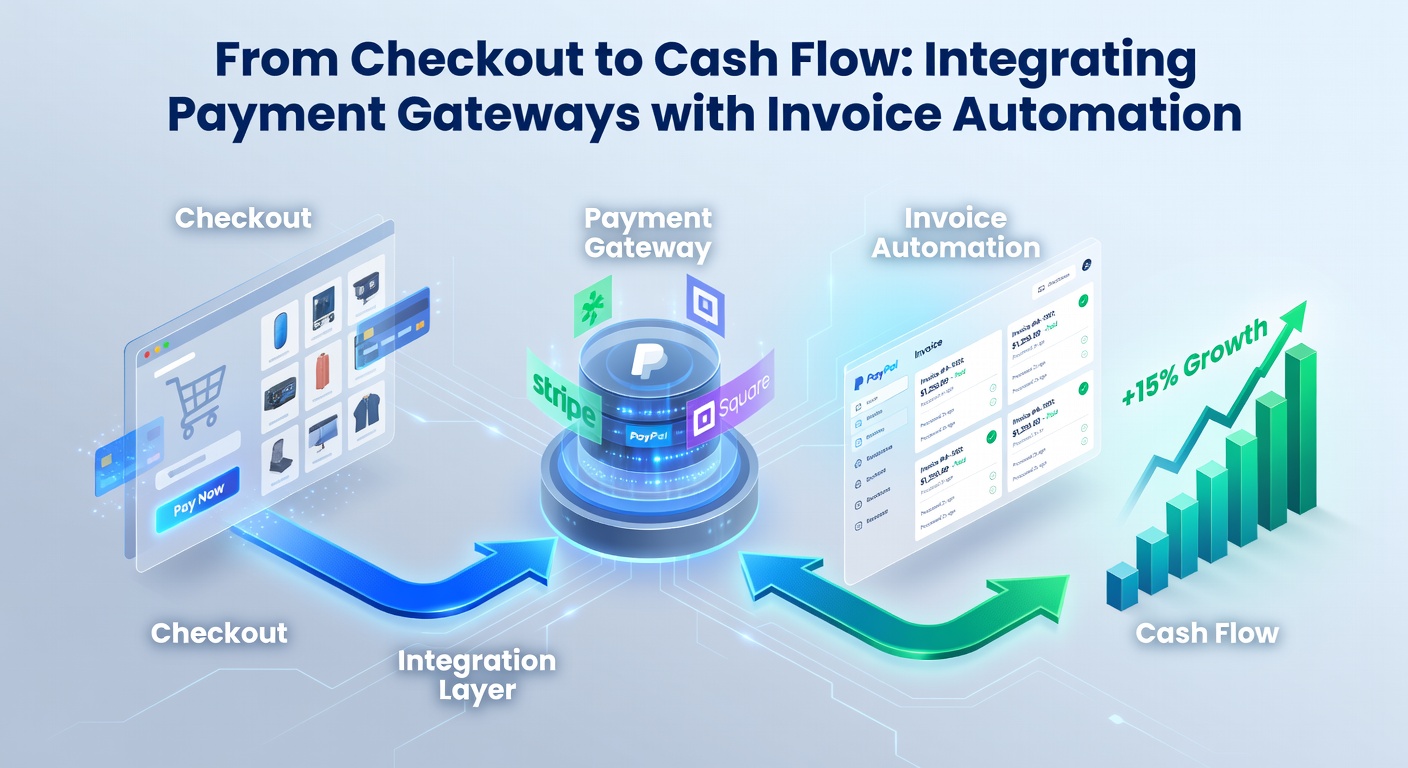
Businesses today juggle instant checkouts at e-commerce sites with drawn-out invoicing for B2B deals, and that's where integrating payment gateways with invoice automation steps in to bridge the gap; this setup turns one-off transactions into steady cash streams, cutting delays that once piled up receivables. Data from industry reports shows companies adopting these integrations see average payment cycles drop by 20-40%, since automated reminders and embedded payment links chase down overdue bills without staff lifting a finger. Observers note how small firms, in particular, gain ground against bigger players by matching efficiency levels once reserved for enterprise software.
Payment Gateways: The Frontline of Digital Transactions
Payment gateways act as secure conduits between merchants and financial networks, authorizing credit cards, digital wallets like Apple Pay, and ACH transfers in milliseconds; providers such as Stripe, PayPal, and Adyen handle billions in volume annually, with global transaction values hitting $6.6 trillion in 2023 according to Statista figures. These systems encrypt data per PCI DSS standards, flagging fraud through AI-driven checks that block suspicious patterns before funds move. But here's the thing: while gateways excel at checkout moments, they often sit idle post-sale, leaving invoicing to clunky spreadsheets or legacy ERP tools that demand manual reconciliation.
Experts who track fintech evolution point out how gateways now offer APIs tailored for expansion; developers pull transaction IDs directly into billing workflows, enabling real-time status updates that sync with customer portals. Take one e-commerce operator who embedded gateway webhooks into their site: orders triggered instant invoices, and partial payments auto-applied against balances, shaving weeks off collection times.
Invoice Automation: Streamlining the Back Office
Invoice automation platforms like Bill.com, FreshBooks, or Xero generate, send, and track bills electronically, often integrating with accounting software such as QuickBooks; these tools automate approvals, apply taxes based on geolocation, and nudge payers via email or SMS when due dates loom. Research from Aberdeen Group reveals firms using such systems boost invoice processing speed by 60%, since OCR scans paper receipts into editable PDFs, and rules engines route exceptions to the right approvers without email chains. What's interesting is how multi-entity businesses handle currency conversions on the fly, ensuring compliance with varying VAT rules across borders.
Those who've implemented these note recurring invoice templates save hours; subscriptions auto-renew with one-click payments, while one-time B2B invoices embed hosted payment pages that pull buyer details from CRM databases. And yet, silos persist: gateways capture upfront cash, but automation handles the long tail, creating opportunities for linkage that multiply efficiency.
Why Integrate? Unlocking Seamless Cash Flow
Linking payment gateways to invoice automation creates a unified pipeline where checkout data feeds directly into billing records; transactions post as line items, reducing errors that once fueled disputes, and dashboards reveal cash flow forecasts based on pending receivables. Figures from a Federal Reserve Payments Study indicate U.S. businesses lose $120 billion yearly to late payments, but integrated setups recover 25% more on time through automated dunning sequences tied to gateway retries.
- Reduced Days Sales Outstanding (DSO): Automation triggers gateway payments on invoices, pulling averages from 45 days to under 20.
- Fewer Disputes: Real-time matching of payments to invoices cuts chargebacks by 30%, per Deloitte analyses.
- Scalability: APIs handle volume spikes, like Black Friday surges, without billing bottlenecks.
- Compliance Edge: Auto-generated audit trails meet SOX or GDPR mandates, logging every gateway approval alongside invoice status.
It's noteworthy that mid-sized retailers report 15% revenue lifts from this synergy, since faster cash enables inventory restocks; one study from Nucleus Research found ROI hitting 400% within the first year for adopters.
Step-by-Step: Making the Integration Happen
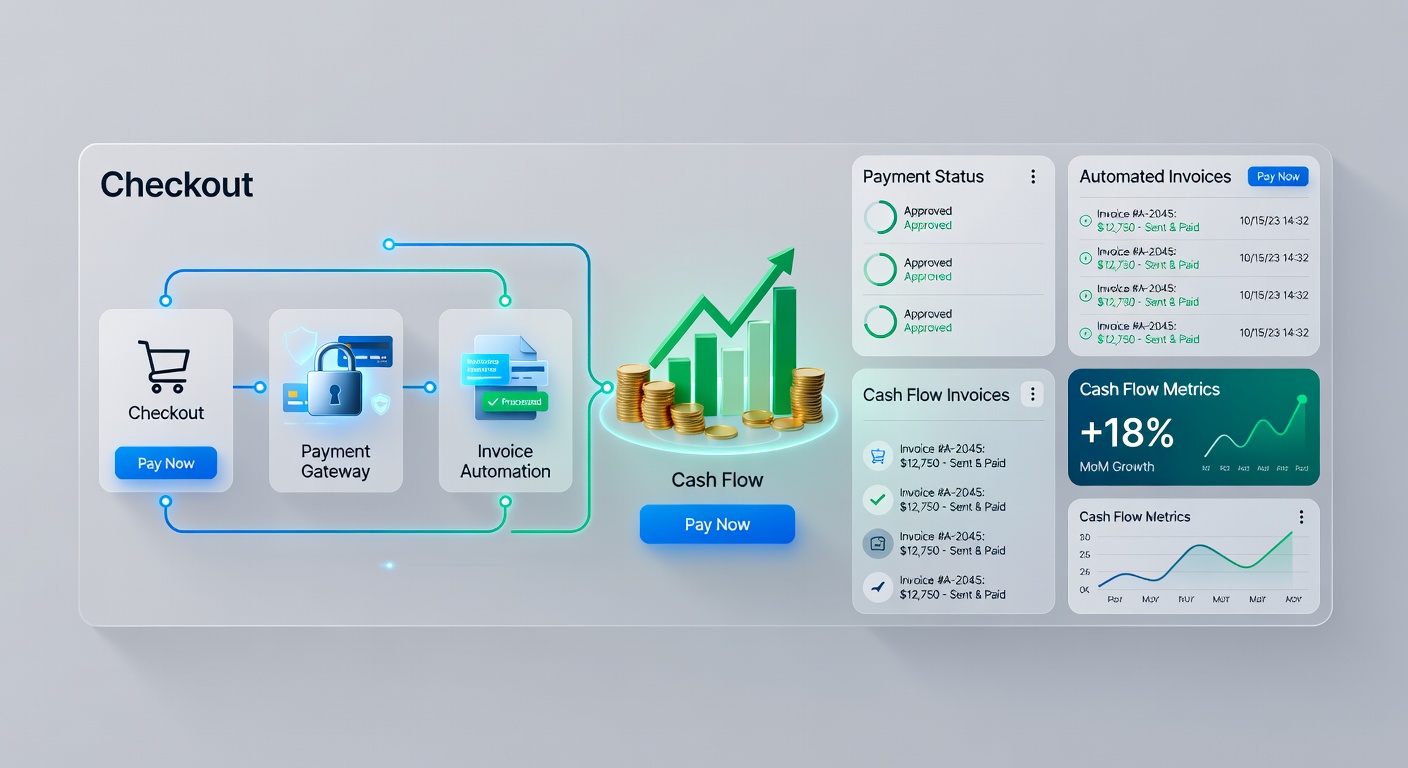
Teams start by mapping data flows: gateways expose endpoints for webhooks that ping automation platforms on events like 'payment_succeeded'; Zapier or native APIs then route this to create or update invoices, embedding pay links that loop back authorizations. Developers authenticate via OAuth, test sandboxes for edge cases such as failed retries, and deploy with monitoring tools like Datadog to flag discrepancies. But turns out, no-code options abound: platforms like Invoice Ninja pair with gateways through pre-built connectors, letting non-tech users drag-and-drop workflows that sync customer vaults for tokenization.
Consider a SaaS provider who wired Stripe to Zoho Invoice; new signups triggered pro-forma bills with one-click upgrades, while downgrades prorated refunds instantly, keeping churn low. Security layers matter too: gateways tokenize cards server-side, passing opaque IDs to automation for PCI compliance without exposing raw data.
Common Tools and Protocols
- APIs: RESTful endpoints from gateways like Authorize.net feed JSON payloads to automation engines.
- Webhooks: Real-time notifications bypass polling, cutting latency to seconds.
- Middleware: MuleSoft or Boomi orchestrate complex flows across legacy systems.
Case Studies: Integration in Action
A manufacturing firm in the Midwest integrated Square's gateway with AvidXchange automation; previously, 30% of invoices lingered past 60 days, but post-linkage, embedded payment buttons on PDFs collected 85% within net-15 terms, boosting working capital by $2 million annually. Observers highlight how the setup auto-reconciled bank feeds against invoice logs, eliminating monthly close delays.
Across the Pacific, an Australian logistics company synced Tyro Payments with Reckon One; data from the Reserve Bank of Australia underscores rising NPP adoption, and this integration leveraged instant rails for invoice settlements under 10 seconds, slashing FX fees on cross-border supplier bills. People who've followed similar rollouts often discover compliance bonuses, like auto-filing BAS returns with payment proofs attached.
Even nonprofits benefit: one U.S. charity chained PayPal to Sage Intacct, where donor pledges converted to recurring draws, lifting fulfillment rates from 70% to 95% without added staff.
Navigating Challenges Along the Way
Integration hits snags like API version mismatches or regional gateway variances; EU firms grapple with SCA mandates under PSD2, requiring 3D Secure handshakes that automation must relay without friction. Data migration poses risks too, with duplicate records inflating AR if mappings falter, although tools like Talend cleanse feeds pre-sync. Cost creeps in for high-volume custom builds, yet cloud gateways scale pay-as-you-go, offsetting upfronts.
Solutions emerge through phased rollouts: pilot with one gateway-invoice pair, measure DSO dips, then expand; vendors offer SLAs guaranteeing 99.99% uptime, and failover logic routes to backups during outages. Those who prioritize this report smoother sails, turning potential pitfalls into competitive moats.
Trends Shaping the Future Through 2026
By April 2026, ISO 20022 standards will standardize message formats across gateways, easing global integrations as SWIFT and FedNow fully migrate; this paves ways for embedded finance where invoices auto-draft from ERP purchase orders, pulling gateway funds sans human touch. AI enhancements predict cash gaps by analyzing payment velocities, auto-adjusting terms, while blockchain trials from Ripple link gateways to smart contract invoicing for tamper-proof audits.
Regulators push open banking: Canada's updated PSD framework mandates API access, fueling U.S.-style Plaid integrations that pre-fill invoice payments. Sustainability angles rise too, with carbon-tracking invoices bundled via gateway metadata. Experts forecast 70% of mid-market firms will run fully integrated stacks by then, per IDC projections, as no-code platforms democratize access.
Now's the time for businesses to experiment; early movers lock in advantages before standards solidify.
Conclusion
Integrating payment gateways with invoice automation transforms fragmented processes into fluid cash engines, where checkouts seed automated pursuits that secure every dollar owed; studies confirm slashed DSOs, fewer errors, and scalable growth follow suit, equipping firms for volatile markets. As tools mature and regulations align by April 2026, those bridging these systems position themselves at the forefront, turning receivables into reliable revenue with minimal friction. The path forward lies in strategic pairings that evolve with tech tides, ensuring cash flows as swiftly as modern transactions demand.