Harvest Cycles and Ledger Rhythms: Aligning Authorization Windows with Crop Data Feeds in Rural Cooperative Marketplaces
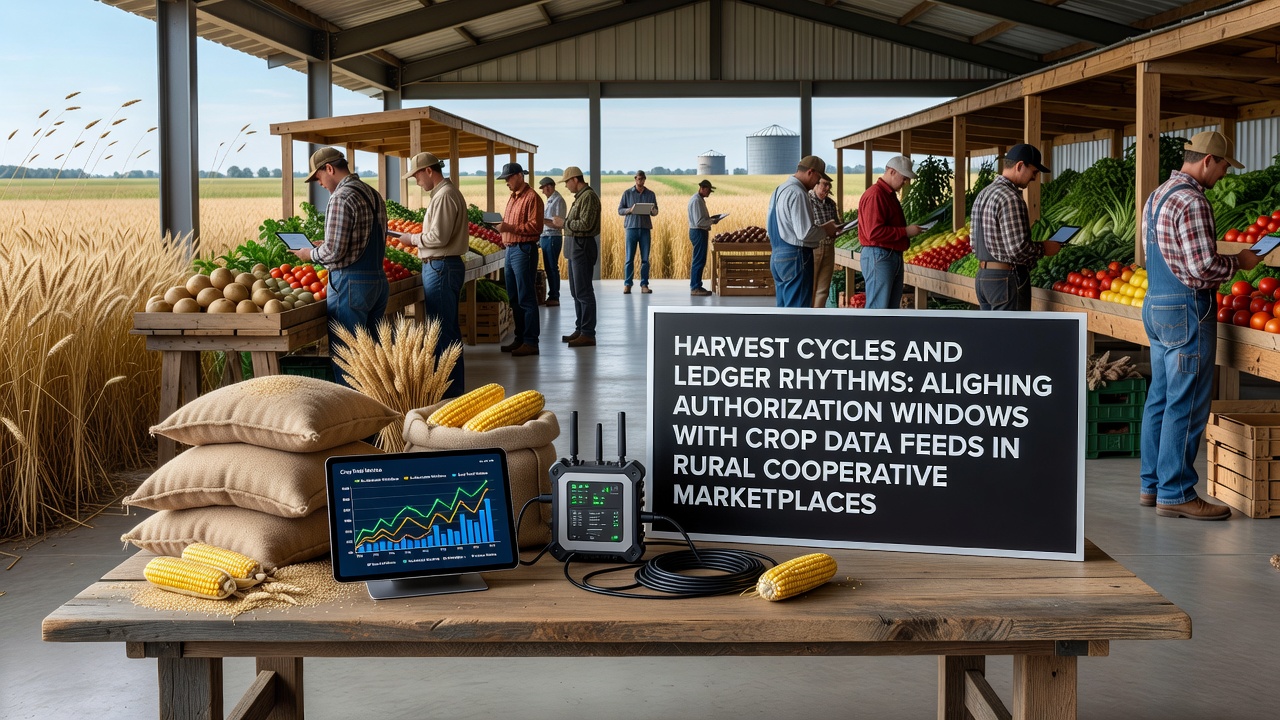
Observers note that rural cooperative marketplaces often synchronize payment authorization windows directly with crop data feeds to match cash flows with actual harvest outputs, and this alignment draws from regional agricultural calendars that shift by commodity and geography. Data from soil sensors, satellite imagery, and yield reports feed into ledger systems so that authorization holds release only when verified volumes reach collection points. Researchers at institutions across North America and Europe have documented how these rhythms reduce settlement mismatches, particularly when cooperatives handle multiple crop types with staggered maturation periods.
Mapping Seasonal Patterns to Transaction Timing
Harvest cycles follow predictable yet variable timelines that cooperatives track through centralized databases updated daily during peak months. For instance wheat harvests in the northern hemisphere typically conclude by late summer while rice cycles in Southeast Asia extend into fall, and payment platforms adjust authorization windows accordingly by pulling real-time feed values on moisture content and tonnage estimates. Those who manage these systems report that integrating crop data prevents premature authorizations that could strain cooperative reserves when actual deliveries fall short of projections.
July 2026 marks a notable point in several pilot programs where cooperatives in Australia and Canada began testing enhanced data pipelines that link meteorological forecasts with authorization protocols. Figures from the Australian Bureau of Agricultural and Resource Economics and Sciences show average yield variances of 12 to 18 percent across major grains during that period, prompting platforms to extend authorization holds by up to 72 hours in high-variability zones. This approach allows ledger entries to update only after field verification confirms delivered quantities, thereby maintaining balance between incoming produce and outgoing payments.
Integrating Crop Data Feeds into Ledger Systems
Cooperative marketplaces employ application programming interfaces that pull crop data directly from government agricultural extensions and private monitoring networks. These feeds include metrics on acreage under cultivation, expected harvest dates, and quality grades, which then trigger conditional authorization rules within the ledger. Experts have observed that when authorization windows align with these inputs, transaction failure rates drop because funds release only against confirmed inventory rather than estimated projections.
One documented case involves a Midwest cooperative network that connected its payment gateway to USDA crop progress reports updated weekly. Authorization logic pauses pending transactions whenever drought indices exceed thresholds, and this method kept settlement ledgers accurate during the 2025 growing season despite regional shortfalls. Similar protocols appear in European Union member states where the Common Agricultural Policy data streams feed into cooperative platforms, allowing authorization timing to reflect subsidy disbursement schedules alongside market sales.
Handling Multi-Vendor Payout Sequencing
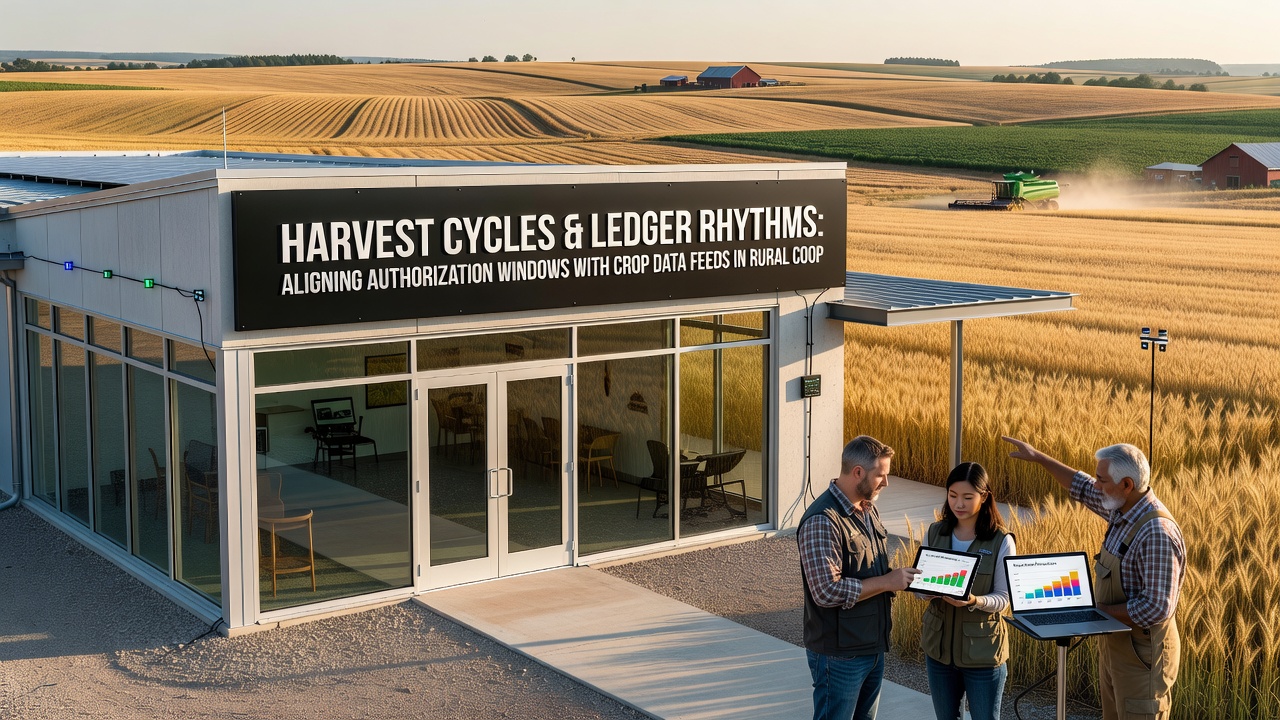
Multiple vendors within a single cooperative often require sequenced payouts that mirror their individual harvest contributions. Ledger rhythms accommodate this by batching authorizations according to verified delivery timestamps pulled from crop data systems. Research indicates that such sequencing avoids liquidity bottlenecks because earlier-maturing crops trigger initial releases while later harvests remain in pending status until confirmation arrives.
Platforms achieve this through rule-based engines that reference both crop calendars and real-time sensor outputs. When a cooperative processes tomatoes alongside grains, for example, the system authorizes tomato-related payments first based on shorter cycle data before advancing to grain settlements. Those overseeing these operations note that geographic diversity in sourcing further refines the rhythm, as southern hemisphere deliveries offset northern gaps and maintain steady authorization flow throughout the year.
Addressing Variability Through Adaptive Windows
Crop data feeds incorporate variables such as weather anomalies and pest outbreaks that can shift harvest dates by weeks. Authorization windows therefore incorporate buffer periods calibrated to historical variance data from each region. Studies from Canadian agricultural research centers demonstrate that adaptive timing reduces reconciliation discrepancies by aligning release conditions with actual rather than projected volumes entering the marketplace.
Cooperative administrators configure these windows to expand or contract based on feed confidence scores. High-certainty data from multiple sources shortens the window, while lower scores extend it to accommodate verification delays. This flexibility proves essential in regions where cooperatives aggregate produce from hundreds of smallholders whose individual outputs fluctuate independently.
Conclusion
Rural cooperative marketplaces continue to refine the connection between harvest cycles and ledger rhythms by embedding crop data feeds into authorization logic. Evidence from multiple continents shows measurable improvements in settlement accuracy when timing reflects verified agricultural outputs rather than fixed schedules. As data collection methods advance through 2026 and beyond, these alignments will likely incorporate additional variables such as market price indices and logistics tracking to further synchronize payment flows with seasonal realities.