How Authorization Timing Overlaps Reshape Inventory Restocking Cycles for Seasonal Pop-Up Vendors Handling Multi-Currency Sales
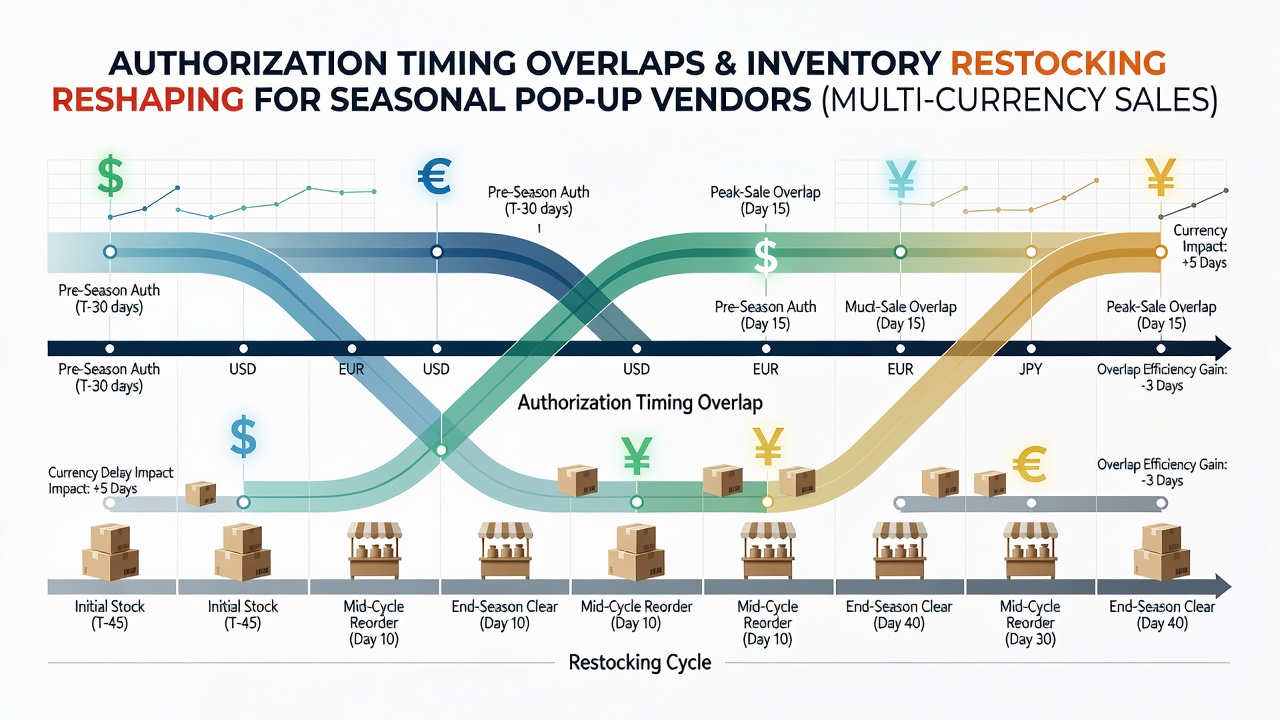
Authorization timing overlaps occur when payment approvals from different currencies and settlement systems create staggered holds on vendor funds, and these patterns directly influence when seasonal pop-up vendors can access capital for inventory replenishment. Pop-up vendors operating at festivals, markets, and temporary locations often process sales in multiple currencies during short operational windows, which means authorization requests submitted in one currency may clear on different schedules than those in another, producing gaps in available liquidity that stretch across days or even weeks.
Authorization Processes in Multi-Currency Environments
Payment gateways authorize transactions by placing temporary holds that confirm available credit before final settlement moves funds into merchant accounts, yet currency conversion layers add extra verification steps that extend these timelines. Researchers at academic institutions have documented how cross-border authorizations introduce variable delays because each currency pair routes through distinct banking networks with their own clearing calendars, and seasonal vendors encounter these overlaps most acutely during peak sales periods when transaction volumes spike simultaneously across currencies. Data from the Reserve Bank of Australia indicates that multi-currency authorizations can differ by 24 to 72 hours depending on the issuing regions involved, which forces vendors to adjust restocking schedules around unpredictable fund release dates rather than fixed inventory cycles.
Seasonal pop-up operations typically last between a few days and several weeks, leaving little margin for timing mismatches, so vendors must forecast inventory needs while accounting for these staggered authorizations. Observers note that vendors handling sales in USD, EUR, and GBP during the same event day often see funds from one currency settle before others, creating partial cash availability that supports limited restocking orders instead of full replenishment batches.
Impact on Seasonal Inventory Cycles
Inventory restocking for pop-up vendors follows compressed cycles tied to event schedules and customer demand patterns, but authorization overlaps disrupt the traditional sequence of sell, receive funds, reorder. When authorizations in slower-settling currencies overlap with faster ones, vendors experience fragmented liquidity that prevents bulk purchases at optimal pricing tiers from suppliers. Studies from the University of Melbourne's commerce research group reveal that vendors facing such overlaps extend their restocking intervals by an average of 3.2 days per event cycle, which compounds across multiple seasonal appearances throughout the year and reduces overall stock turnover rates.
Multi-currency sales further complicate matters because exchange rate fluctuations during the authorization window can alter the final settled amounts, prompting vendors to hold back portions of available funds as buffers against potential shortfalls. This practice delays orders for perishable or time-sensitive inventory items common in seasonal markets, such as fresh goods or event-specific merchandise. Those who manage pop-up operations in regions with high tourist traffic report that overlapping authorizations force reliance on smaller, more frequent supplier deliveries rather than consolidated shipments that would lower per-unit costs.
Case Examples from Vendor Networks
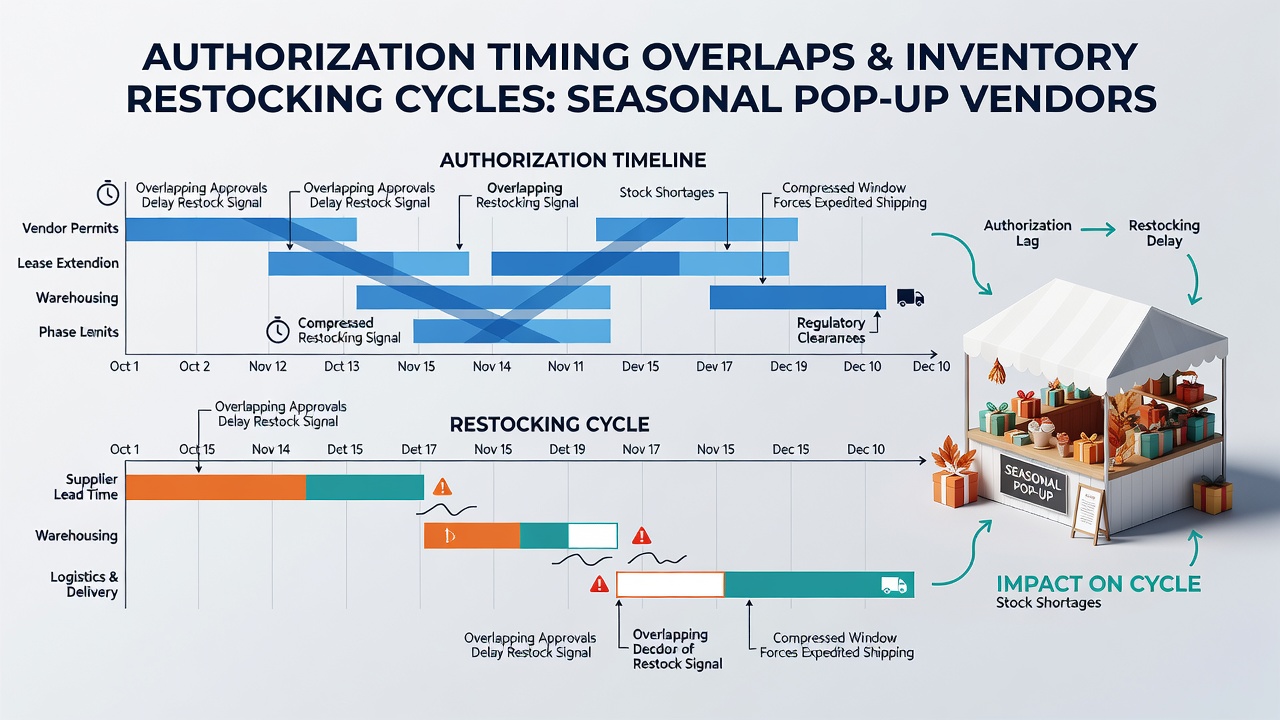
Take one network of seasonal vendors operating across European summer festivals where sales occur in local currencies alongside visitor payments from outside the eurozone. Authorization timing overlaps here mean that GBP and CHF transactions often settle after EUR batches, creating a rolling cash flow pattern that vendors track through specialized ledger tools to predict when full restocking capital becomes accessible. Figures from the European Central Bank show these staggered releases affect approximately 18 percent of multi-currency merchants in temporary retail setups, leading them to shift toward just-in-time inventory models that prioritize high-turnover items over variety.
Another instance involves North American pop-up operators at cross-border events who process CAD and USD sales concurrently. The timing difference between Canadian and U.S. banking systems produces authorization overlaps that extend two to four business days, and vendors adapt by pre-arranging supplier credit lines to bridge the gaps until all funds clear. Research indicates these adaptations stabilize restocking frequency but increase overall operational expenses by 7 to 12 percent due to financing costs.
Adjustments Emerging in Mid-2026
Projections for June 2026 point toward expanded adoption of real-time settlement protocols in additional currency corridors, which could compress authorization overlaps for pop-up vendors who currently navigate legacy batch systems. Industry reports highlight pilot programs testing simultaneous multi-currency clearing that aim to align release timelines more closely, allowing vendors to synchronize restocking with actual sales velocity rather than staggered fund availability. Vendors who monitor these developments prepare contingency inventory strategies while awaiting broader implementation across payment networks.
Conclusion
Authorization timing overlaps continue to reshape inventory restocking cycles by fragmenting liquidity access for seasonal pop-up vendors managing multi-currency sales, and these effects manifest through extended reorder intervals, reliance on partial fund releases, and adjustments in supplier relationships. Data from central banks and academic studies document consistent patterns across regions, while emerging settlement technologies scheduled for wider rollout offer pathways to reduce these timing frictions in future seasons.