How Biometric Data Streams Integrate with Legacy Ledger Systems to Manage Dispute Resolutions in Live Event Ticketing Networks
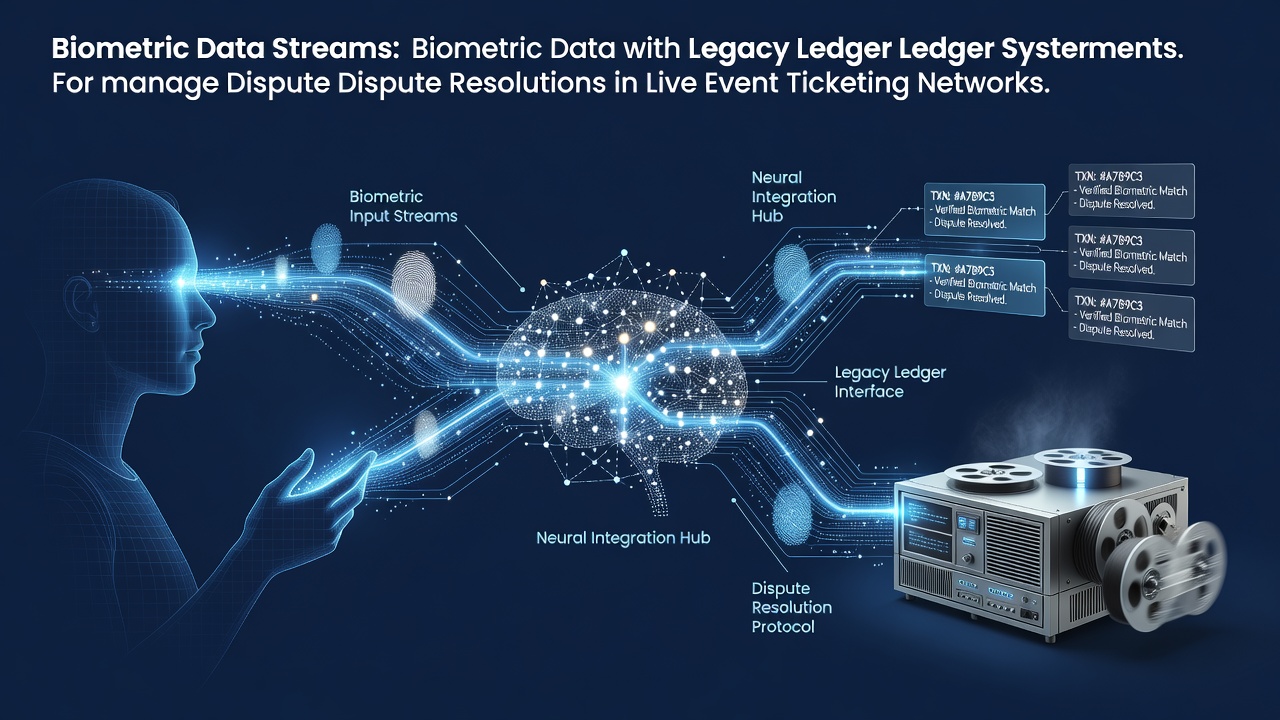
Live event ticketing networks rely on biometric data streams that capture facial recognition, fingerprint scans, and iris patterns at entry points, then feed these streams into legacy ledger systems originally designed for basic transaction logging. These older ledgers, often built on relational databases from the 1990s and early 2000s, record ticket ownership, payment histories, and seat assignments without native support for real-time biometric matching, so middleware layers translate incoming biometric signals into standardized data packets that the ledgers can process and store alongside existing records.
Integration begins when a ticket holder presents a biometric identifier at a venue gate, and the system compares the live scan against a pre-registered template stored in the ledger, creating an immutable audit trail that links the individual to the original purchase. Observers note that this process reduces instances of ticket duplication because each biometric entry updates the ledger in sequence, flagging any attempt to reuse a ticket that already shows an entry timestamp.
Technical Pathways for Data Flow
Legacy systems receive biometric streams through application programming interfaces that convert raw sensor output into encrypted hashes compatible with older database schemas, and these hashes sit alongside traditional fields such as transaction IDs and purchase dates. Research from academic institutions shows that hash-based matching allows the ledger to query historical entries without exposing full biometric images, which satisfies data minimization principles outlined in various privacy regulations.
During high-volume events, batch synchronization protocols pull recent biometric confirmations from edge devices and push them into the central ledger at set intervals, while real-time authorization logs track any discrepancies that arise between the scan and the stored ticket record. Figures from industry reports reveal that such synchronization cut reconciliation times by measurable margins in multi-venue festivals held across North America and Europe in 2025.
Dispute Resolution Mechanisms
When a mismatch occurs, such as a claim that a ticket was already used or that entry was denied despite valid purchase, the integrated system retrieves the biometric timestamp and ledger entry in one query, allowing venue staff to verify whether the registered holder matches the person attempting entry. This approach replaces manual review of paper tickets or separate databases, because the single ledger now holds both the financial record and the biometric confirmation linked by a common identifier.
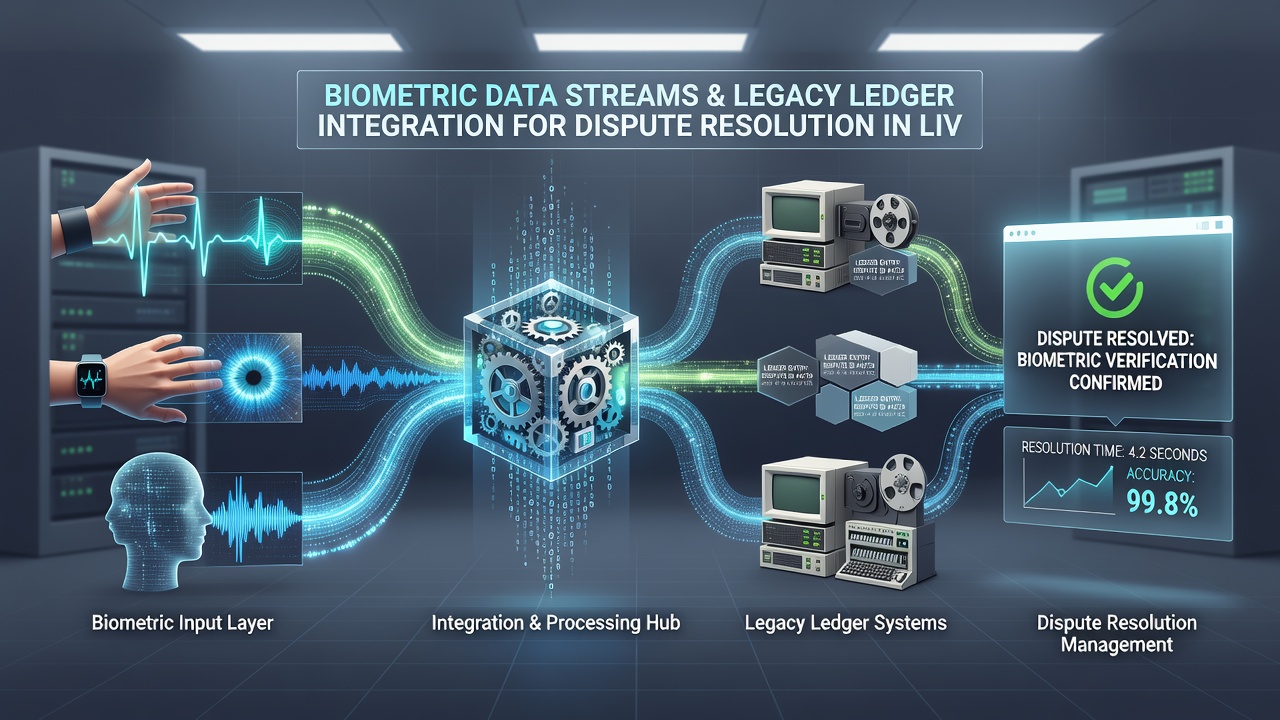
Case examples from operators in Australia demonstrate how a disputed entry at a stadium in July 2026 was resolved within minutes when the ledger query showed the biometric scan matched the original purchaser yet occurred at a different gate than the ticket indicated, pointing to an internal routing error rather than fraud. Similar processes in Canadian venues have incorporated audit logs that export directly to regulatory bodies for compliance checks without requiring separate data requests.
Standards and Interoperability Considerations
Guidelines from the National Institute of Standards and Technology provide frameworks for biometric template protection that legacy ledger operators apply when upgrading their matching algorithms, ensuring that older systems can accept newer encryption methods without full replacement. Data shows that venues adopting these frameworks experienced fewer false positives during peak entry periods because the ledgers now validate both the hash integrity and the timestamp sequence before approving or denying access.
European data protection authorities have issued guidance on cross-border biometric transfers in ticketing, and operators in the EU have aligned their ledger integrations with those rules by storing only necessary metadata alongside the biometric references. This alignment allows dispute records to transfer between national systems while maintaining audit trails that satisfy both local and regional oversight requirements.
Operational Outcomes in Practice
Ticketing platforms that completed these integrations report streamlined handling of chargeback requests because the ledger entry includes the exact time and location of the biometric scan, which serves as primary evidence when card issuers investigate unauthorized use claims. One study of North American concert series found that disputes involving biometric verification resolved at higher rates than those relying solely on email confirmations or printed barcodes.
Network operators continue to test hybrid models where biometric streams update legacy fields in real time while preserving batch settlement cycles for financial reconciliation, and preliminary results indicate stable performance across mixed hardware environments. Those who've studied these deployments observe that the combination of biometric immediacy with ledger permanence creates a verifiable chain that supports both operational efficiency and regulatory reporting.
Conclusion
Biometric data streams connect to legacy ledger systems through middleware and hash protocols that enable precise matching during entry and rapid retrieval during disputes in live event ticketing. The resulting records combine purchase details with biometric timestamps, supplying operators and regulators with unified evidence for resolving conflicts. Continued alignment with standards from organizations such as NIST and European data protection authorities supports further refinements in these integrations across global venues.