How Receipt Archiving Systems Streamline Financial Record-Keeping for Multi-Channel Retailers
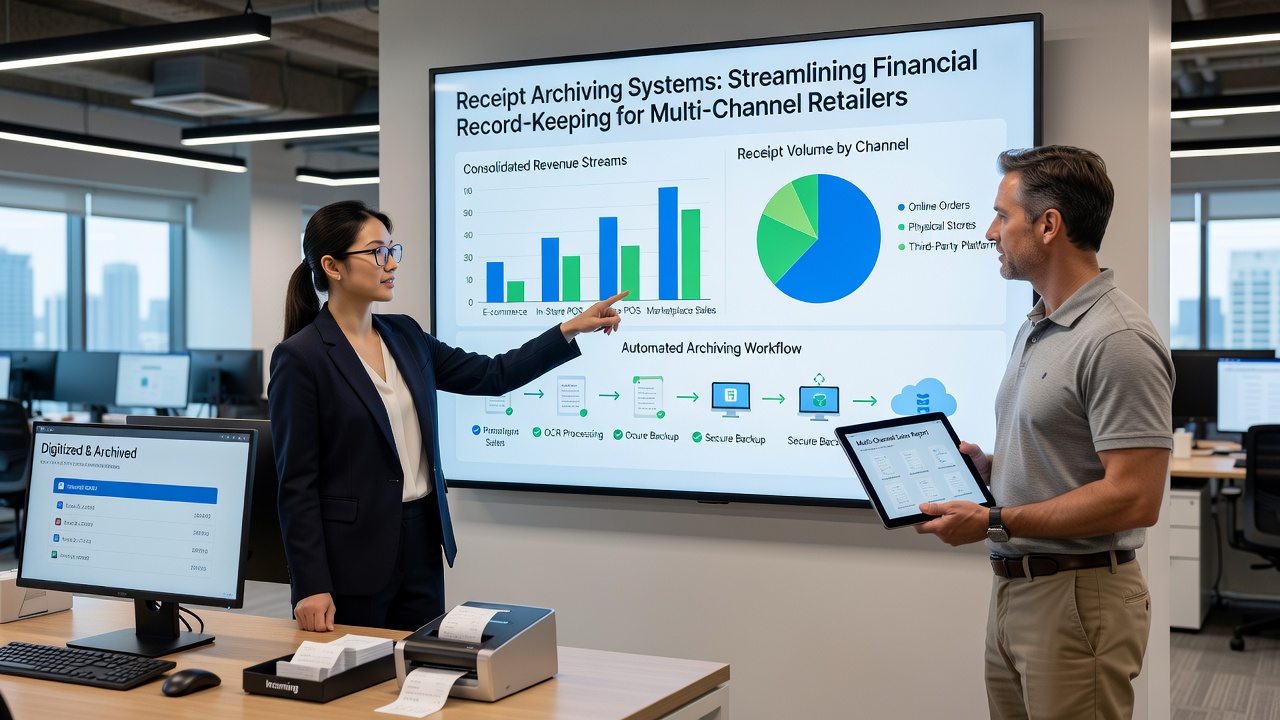 Multi-channel retailers face constant pressure to maintain accurate financial records across online platforms, physical stores, and third-party marketplaces. Receipt archiving systems address this challenge by converting paper and digital receipts into centralized, searchable electronic files that integrate directly with accounting software and enterprise resource planning tools. These platforms capture transaction details at the point of sale or online checkout, then apply automated indexing based on date, vendor, payment method, and tax category. Data from the National Retail Federation indicates that retailers operating in at least three channels generate an average of 47 percent more receipt volume than single-channel operations. Without automated archiving, staff members spend substantial hours sorting, filing, and retrieving these documents during audits or month-end closes. Systems equipped with optical character recognition extract line-item data and match it against bank settlements within minutes rather than days.
Core Components of Modern Receipt Archiving Platforms
Effective receipt archiving platforms combine several technical layers. Capture occurs through mobile apps for in-store staff, API connections for e-commerce checkouts, and direct feeds from point-of-sale terminals. Once ingested, the software applies metadata tags that align with generally accepted accounting principles and local tax authority requirements. Storage occurs in encrypted cloud repositories that maintain chain-of-custody logs for compliance verification.
Retention schedules follow regulatory mandates that differ by jurisdiction and document type. Sales tax records in many U.S. states require seven-year retention, while value-added tax documentation in European Union member states often demands ten years. The systems automatically flag files approaching deletion deadlines and generate audit-ready export packages in standard formats such as PDF/A or XML.
Integration with Existing Financial Workflows
Receipt archiving systems rarely operate in isolation. They connect with general ledger software through standardized connectors that push categorized expenses into the correct accounts. When a multi-channel retailer processes a return through its website, the archiving platform updates the original transaction record and links the refund receipt to the same customer identifier. This linkage prevents duplicate entries and supports accurate revenue recognition across reporting periods.

According to research published by the University of Manchester Business School, retailers that implemented automated receipt systems reduced reconciliation discrepancies by 62 percent within the first twelve months. The study examined 184 companies across North America and Europe that handled both direct-to-consumer websites and physical retail locations. Integration speed improved further when organizations synchronized archiving platforms with their existing payment gateway logs.
Compliance and Audit Readiness in July 2026
Regulatory expectations continue to evolve. As of July 2026, several jurisdictions require digital signatures on archived receipts for high-value transactions above defined thresholds. Systems built with these requirements in mind embed timestamped certificates that satisfy eIDAS standards in Europe and similar electronic record rules administered by the Internal Revenue Service in the United States. Auditors receive role-based access that limits viewing to specific date ranges and transaction types without exposing unrelated financial data.
Multi-channel retailers also benefit from built-in currency conversion and tax rate tracking. When a customer purchases goods through a marketplace in one country and collects them at a store in another, the archiving system records the applicable tax jurisdiction at each step. This granular tracking reduces the risk of misreported cross-border sales that can trigger penalties during periodic reviews.
Operational Efficiency Gains
Staff time previously allocated to manual filing shifts toward higher-value tasks such as vendor negotiations and cash-flow forecasting. One European apparel retailer reported that its finance team reclaimed an average of 19 hours per week after deploying receipt archiving across 42 physical locations and three online storefronts. The same organization noted faster insurance claims processing because loss documentation could be retrieved within seconds rather than requiring warehouse searches for paper files.
Security features include access controls, activity logging, and automatic redaction of sensitive cardholder data to meet payment card industry standards. Backup protocols replicate files across geographically dispersed data centers, protecting against localized hardware failures or ransomware incidents that might otherwise compromise record availability.
Conclusion
Receipt archiving systems deliver measurable improvements in accuracy, retrieval speed, and regulatory compliance for retailers that sell through multiple channels. By automating capture, indexing, and retention, these platforms reduce manual workload while creating audit trails that satisfy requirements from tax authorities across different regions. Organizations evaluating such solutions typically examine integration options with existing accounting tools, data residency controls, and the ability to scale storage as transaction volumes grow. The technology continues to evolve alongside changes in both commerce patterns and record-keeping regulations.