How Smart Routing Algorithms Direct Transactions Away From High-Risk Corridors in Global Trade Platforms
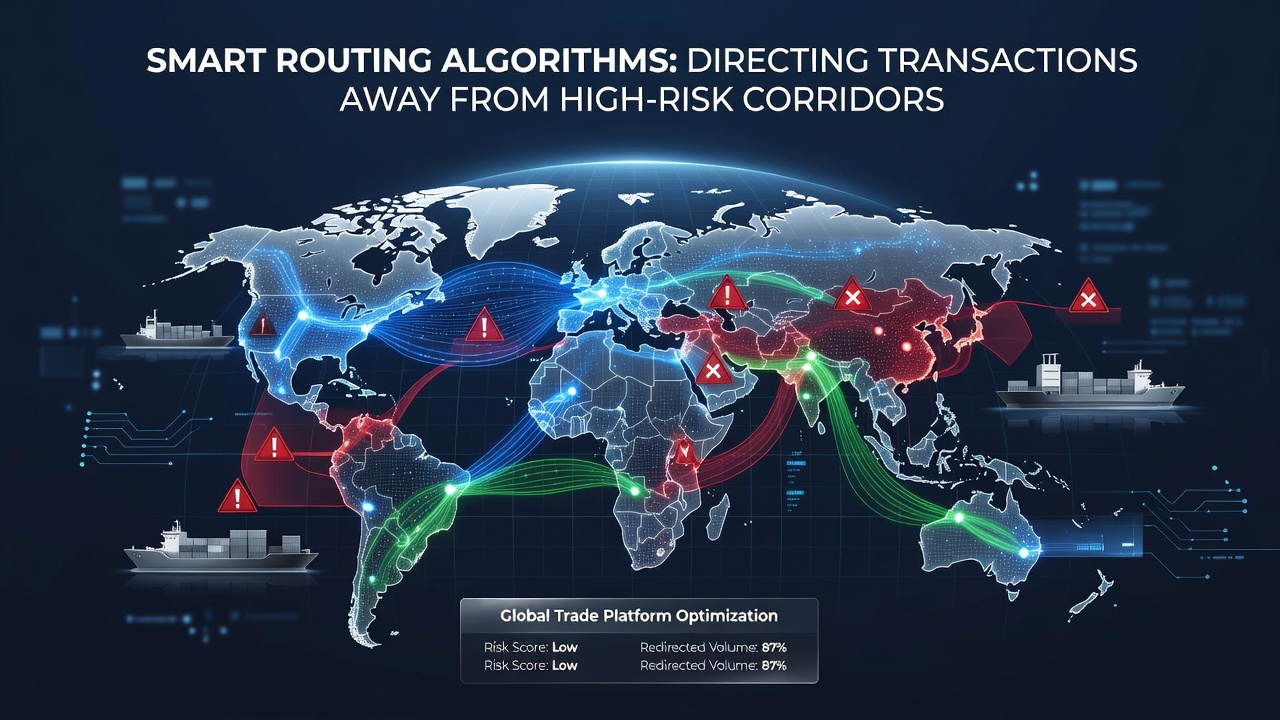
Global trade platforms rely on sophisticated routing systems that evaluate multiple risk factors in real time, and these algorithms shift transactions toward corridors with stronger compliance records while avoiding regions flagged for elevated fraud or regulatory concerns. Data from transaction monitoring services shows that platforms processing cross-border payments use machine learning models trained on historical patterns, geographic indicators, and merchant profiles to calculate risk scores before authorization occurs.
Core Mechanics Behind Risk-Based Routing
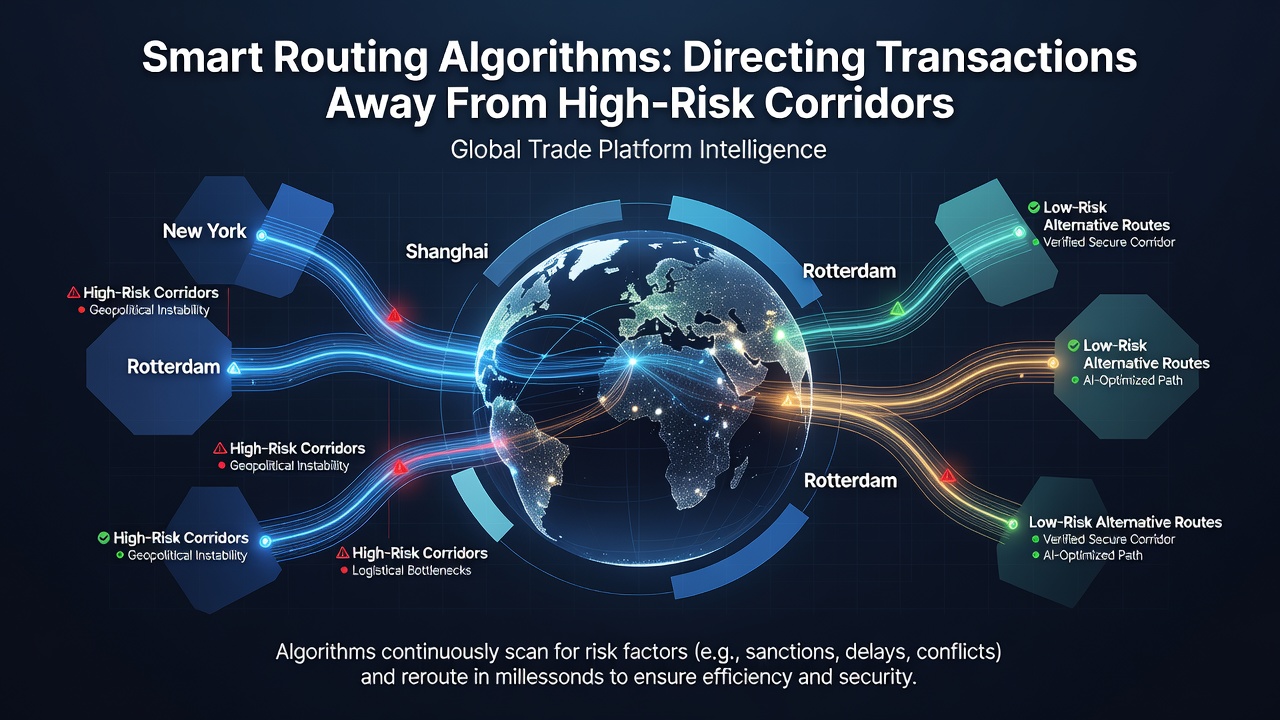
Smart routing begins with the collection of variables such as origin country, destination market, transaction velocity, and past chargeback rates, then combines these inputs through decision trees and neural networks that output recommended pathways. Researchers at institutions tracking payment flows note that algorithms assign weighted scores to each corridor, and when a proposed route exceeds internal thresholds the system automatically diverts the transaction to an alternative bank or processor with lower exposure metrics. This process happens within milliseconds of initiation, allowing platforms to maintain authorization speeds while reducing exposure to high-risk zones.
Observers tracking the sector point out that July 2026 marked the rollout of updated data-sharing protocols among several major clearing networks, and these changes gave algorithms access to fresher indicators from emerging markets that previously lacked granular reporting. As a result, platforms gained improved visibility into corridors previously treated as black boxes, enabling more precise rerouting decisions without manual intervention.
Geographic and Regulatory Factors in Corridor Selection
High-risk corridors often correspond to jurisdictions with inconsistent anti-money laundering enforcement or elevated political instability, and algorithms incorporate feeds from regulatory databases maintained by bodies such as the European Banking Authority and the Monetary Authority of Singapore. When a transaction originates from or targets such an area the routing engine compares latency, fee structures, and settlement reliability across viable alternatives, then selects the path that balances speed with compliance requirements. Figures released by the Bank for International Settlements indicate that platforms employing these methods recorded measurable declines in declined authorizations linked to sanctions screening over recent reporting periods.
Integration with Broader Platform Infrastructure
Routing decisions feed directly into settlement queues and reconciliation engines, which means a diverted transaction updates downstream ledgers automatically without requiring separate reconciliation steps. Trade platforms that operate across multiple acquirers benefit because the algorithm can switch between providers based on real-time capacity and corridor-specific approval rates, and this flexibility proves especially useful during peak trading windows when certain banks temporarily tighten their own risk parameters.
Performance Metrics and Observed Outcomes
Platforms that publish operational data report that smart routing reduces exposure to corridors with chargeback ratios above industry averages, while the same systems maintain overall approval rates through dynamic selection among approved partners. One logistics marketplace that expanded into emerging economies documented a shift of over forty percent of its high-volume routes within the first year of algorithm deployment, and settlement times remained stable because the system prioritized corridors with established correspondent banking relationships. Academic studies examining similar implementations find that the combination of geographic risk mapping and behavioral analytics produces more consistent outcomes than static rule sets alone.
What's notable is how these systems handle edge cases, such as sudden regulatory announcements that alter corridor status overnight, and the algorithms respond by recalibrating weights based on the new information before the next batch of transactions processes. This adaptability stems from continuous model retraining cycles that incorporate both internal platform data and external regulatory updates.
Challenges in Maintaining Routing Accuracy
Even advanced models encounter difficulties when data gaps exist in newer trade corridors or when counterparties change their risk appetite without prior notice, and platforms address these issues through fallback hierarchies that default to previously validated routes while new information is verified. Observers note that maintaining model transparency remains an ongoing requirement, particularly when auditors request explanations for specific routing choices that affected settlement outcomes.
Conclusion
Smart routing algorithms continue to evolve as global trade volumes grow and regulatory expectations tighten, and their ability to direct transactions away from high-risk corridors rests on the integration of real-time data, geographic intelligence, and adaptive decision frameworks. Trade platforms that implement these systems report steadier authorization performance alongside reduced exposure, while the underlying technology benefits from ongoing enhancements in data availability and model sophistication across different regions.