Ledger Alignment Tactics in Hybrid Retail Networks: Encryption's Role in Multi-Channel Settlement Accuracy
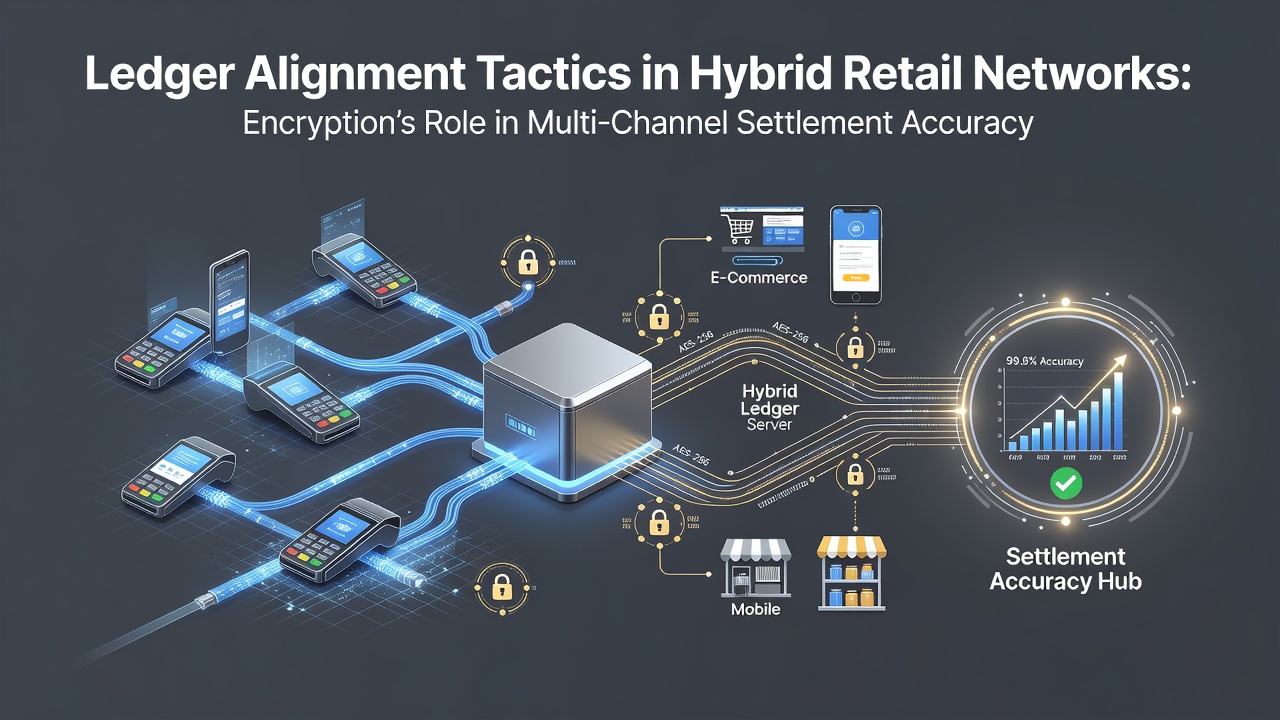
Hybrid retail networks combine physical stores with digital platforms, and settlement accuracy depends on precise ledger alignment across those channels, where encryption protects transaction data during multi-channel processing. Retailers face the task of matching authorizations from in-store terminals with online orders and mobile payments, all while maintaining records that reflect the same totals without discrepancies. Data from payment industry reports indicates that encryption layers applied at the point of capture reduce mismatches by securing batch transmissions between systems.
Core Components of Ledger Alignment in Hybrid Setups
Alignment begins with synchronization protocols that timestamp each authorization and link it to settlement batches, using encrypted tokens to represent card details instead of raw numbers. These tokens travel through gateways while preserving traceability, and systems reconcile them against real-time logs from point-of-sale devices and e-commerce platforms. Observers note that retailers adopting such methods report fewer delays when physical and digital sales settle on the same day, because the encrypted identifiers allow automated matching without exposing sensitive information.
Encryption standards evolve continuously, and as of July 2026 several networks implemented updated protocols requiring AES-256 for batch files crossing multiple vendors. This change addressed gaps in older systems where partial decryption during transit created opportunities for data drift between channels. Researchers tracking settlement volumes found that networks applying these standards experienced a measurable drop in reconciliation exceptions compared with prior periods.
Encryption Techniques Supporting Settlement Accuracy
End-to-end encryption wraps transaction payloads from the moment a card interacts with a terminal or checkout page until the funds reach the merchant account, which prevents interception that could alter amounts or identifiers during transfer. Tokenization complements this by replacing account data with unique values that map back only within secure environments, allowing ledgers to align without repeated exposure of original details. Industry analyses show that combining these methods supports higher match rates across hybrid channels because each token carries metadata that verifies origin and timing.
Key tactics include scheduled batch encryption keys rotated daily, real-time hash verification on settlement files, and segmented ledgers that isolate physical store data from online streams until encrypted reconciliation runs complete. These approaches connect independent records through shared encrypted references rather than direct data copies, reducing the risk of transcription errors that arise when systems operate on different platforms.
Implementation Patterns Across Retail Operations
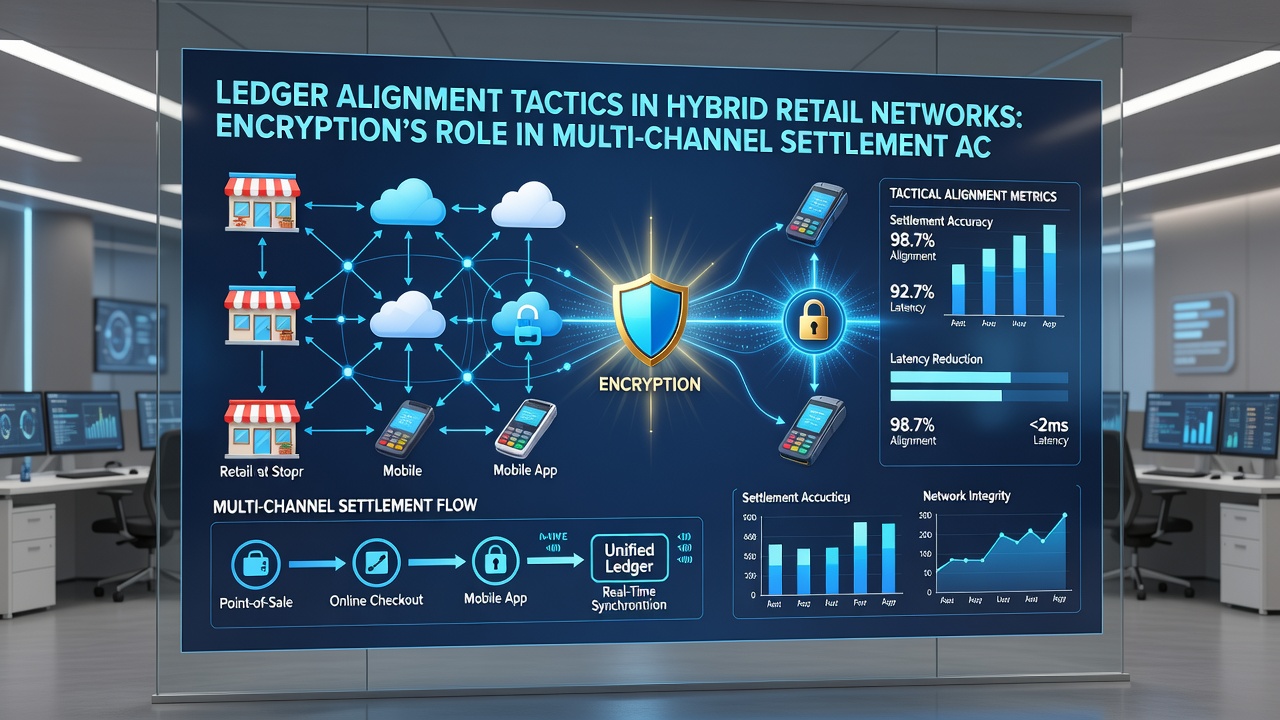
Retail groups operating both storefronts and websites often deploy middleware that pulls encrypted logs from each channel and feeds them into a central alignment engine. The engine compares authorization timestamps against settlement confirmations, flagging any variance that exceeds predefined thresholds before funds move. According to PCI Security Standards Council guidelines, such engines must maintain encryption throughout the comparison step to meet data protection requirements.
One documented case involved a regional chain that integrated its in-store terminals with an online platform using encrypted batch uploads every two hours, resulting in settlement accuracy rates above 99 percent across six months of operation. Another network applied dynamic key management that adjusted encryption strength based on transaction volume spikes during peak periods, which helped maintain alignment even when daily volumes doubled. Figures from payment processors indicate these patterns appear more frequently in networks handling cross-border sales where currency conversion adds another layer of data that requires protection during ledger updates.
Regulatory and Technical Influences on Current Practices
Regulatory frameworks in multiple regions require encryption for any data moving between payment processors and merchants, which directly shapes how hybrid networks design their alignment routines. The European Central Bank has published technical notes on secure data handling that influence encryption choices for settlement files, while reports from the Reserve Bank of Australia highlight similar expectations for accuracy in multi-channel environments. These documents emphasize verifiable audit trails that encryption enables without compromising confidentiality.
Technical teams configure systems so that encryption occurs at the application layer before data leaves any channel, ensuring that even internal handoffs between store servers and cloud settlement services remain protected. This practice supports the matching of partial payments, refunds, and split tenders that frequently occur across physical and digital touchpoints. Data shows that networks maintaining these configurations encounter fewer manual interventions during monthly closes because automated checks catch discrepancies earlier in the cycle.
Conclusion
Ledger alignment in hybrid retail relies on encryption to secure the data flows that connect authorizations across channels with final settlements, and the tactics described here represent established patterns used by networks managing both physical and digital operations. Continued updates to encryption standards, including those observed in July 2026, support ongoing improvements in match rates and reduced exception handling. Retail systems that apply tokenization, timed batch encryption, and segmented reconciliation maintain the accuracy required for consistent financial reporting across diverse sales channels.