On-the-Go Billing: Secure Invoice Handling for Mobile-First Businesses
On-the-Go Billing: Secure Invoice Handling for Mobile-First Businesses
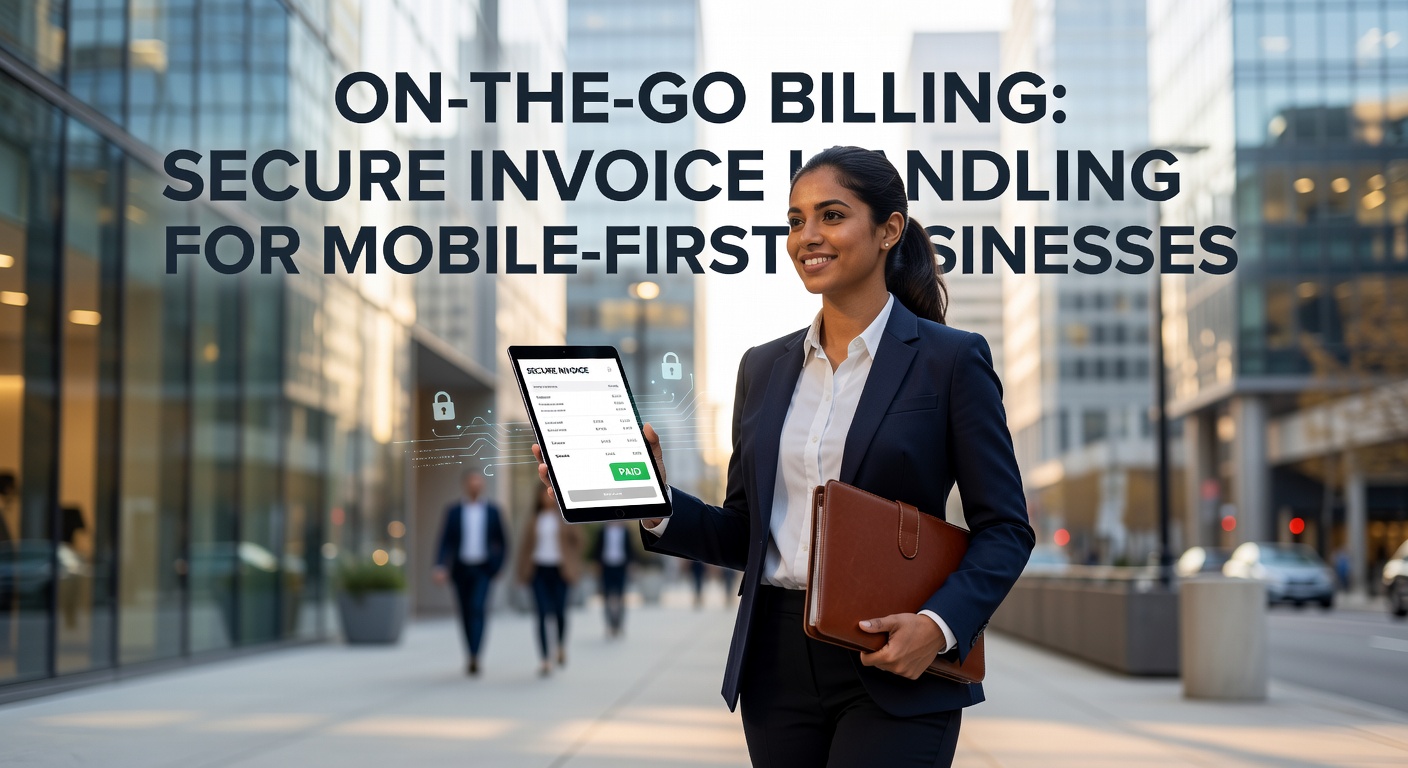
The Rise of Mobile-First Operations and Billing Needs
Mobile-first businesses, from freelance consultants zipping between client sites to delivery drivers fulfilling last-minute orders, rely on instant invoicing to keep cash flowing smoothly; data from GSMA's 2025 Mobile Economy report reveals that global mobile internet users hit 5.6 billion by early 2026, fueling a surge in on-the-go transactions that demand secure, real-time invoice handling. Turns out, these operations generate over 40% of small business revenue through mobile channels alone, according to figures from the U.S. Small Business Administration, yet traditional desktop systems fall short when speed and portability matter most.
What's interesting here involves how gig economy platforms have normalized this shift; take one rideshare driver who logs earnings via app right after drop-off, or a pop-up vendor scanning QR codes for instant payments—both scenarios expose invoices to risks like interception on public Wi-Fi, but secure protocols turn potential pitfalls into seamless processes. And while adoption grows, researchers at Payments Canada note that by April 2026, real-time payment rails will process upwards of CAD 1 trillion annually, underscoring the urgency for robust mobile billing safeguards.
Key Security Challenges in Mobile Invoice Processing
Public networks pose the biggest threat, where man-in-the-middle attacks snag sensitive data mid-transmission; studies from cybersecurity firms indicate that 68% of mobile breaches stem from unencrypted invoice exchanges, often hitting service-based enterprises hardest since they handle recurring client details on the fly. But here's the thing—fraudsters target these setups because invoices carry full payment info, client histories, and tax IDs, making a single lapse costly; one report highlights how velocity fraud, where bots test stolen cards rapidly, spiked 25% in mobile commerce last year.
Observers point out that device vulnerabilities compound the issue, especially with shared or lost phones common among field teams; data breaches expose not just one invoice but entire client rosters, leading to compliance headaches under standards like PCI DSS 4.0, which rolled out enhanced mobile guidelines in 2024. Yet, those who've audited such systems discover that weak authentication—think basic PINs versus biometrics—leaves doors wide open, with phishing links disguised as invoice approvals fooling even savvy users.
Real-World Exposures and Patterns
Consider the case of a catering crew at a 2025 festival, where unsecured Bluetooth syncing leaked 200 invoices containing card details; experts traced it back to outdated app versions, a pattern repeating across sectors since mobile billing apps proliferated post-pandemic. And now, with 5G rollout accelerating data speeds, the window for attacks shrinks but volume explodes—figures show transaction attempts doubling quarterly, per industry trackers.
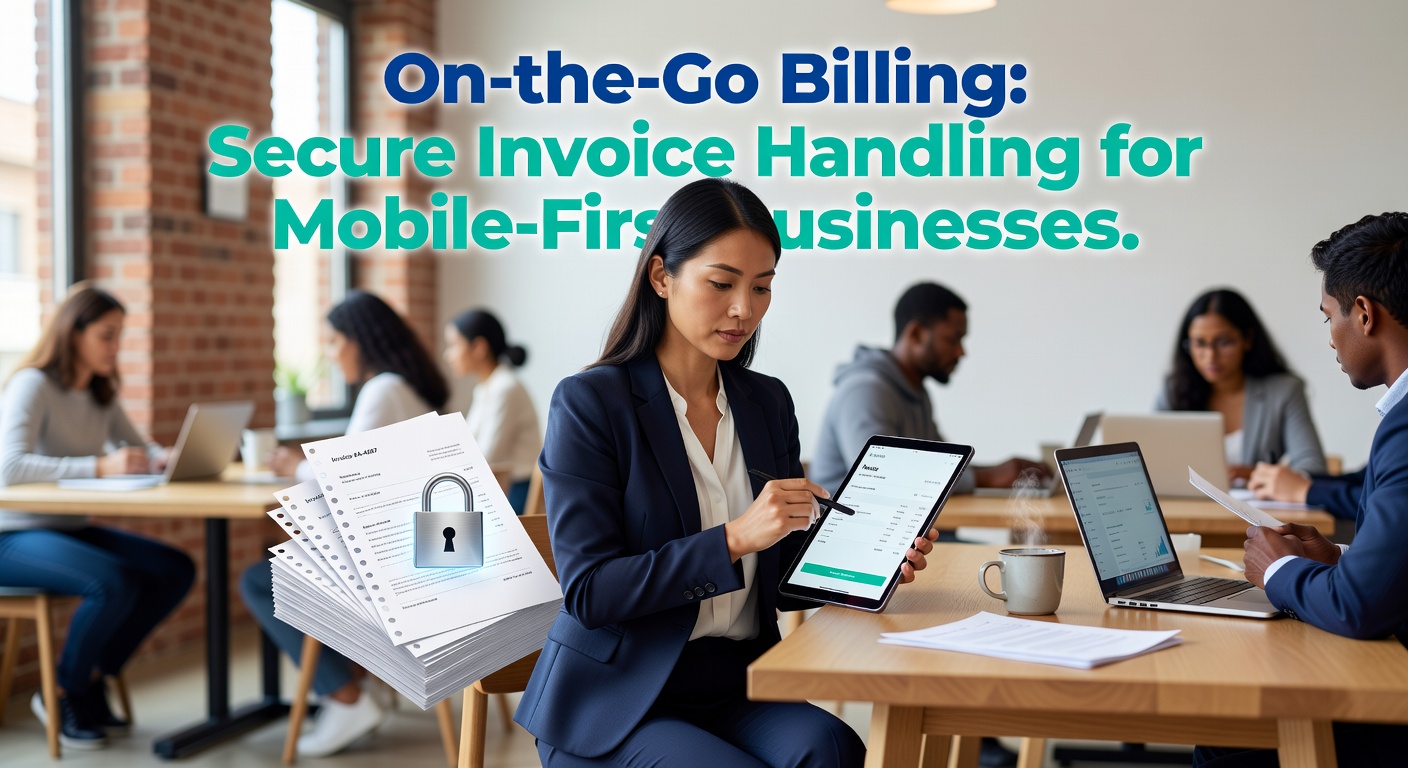
Core Technologies Powering Secure On-the-Go Billing
Tokenization leads the charge by swapping real card numbers with unique identifiers, ensuring even if data leaks, it's useless to thieves; platforms integrating this see fraud rates drop by 87%, data from payment processors confirms, while end-to-end encryption wraps invoices in layers that public networks can't pierce. So, businesses handling mobile invoices turn to these tools, combining them with ephemeral sessions where data vanishes post-processing, a tactic that slashes storage risks dramatically.
Biometric authentication adds another layer—fingerprint or face scans verify users faster than passwords, with error rates under 0.01% in field tests; researchers who've deployed this in logistics fleets report approval times halving without compromising security. What's significant involves multi-factor setups, where device binding ties approvals to specific hardware, blocking unauthorized access even if credentials wander off.
Integration with Modern Payment Rails
- ISO 20022 messaging standards enable richer, secure data flows for invoices across borders;
- Push-to-card models let funds land instantly, minimizing exposure windows;
- AI-driven anomaly detection flags odd patterns, like sudden invoice spikes from one device.
These stack together seamlessly in apps, creating fortresses around mobile billing that adapt to threats in real time.
Best Practices for Implementation and Compliance
Start with PCI DSS validation tailored for mobile endpoints, where annual audits catch gaps early; businesses following this protocol reduce breach costs by 40%, studies find, although ongoing training keeps teams sharp against evolving scams. Regular firmware updates patch vulnerabilities quietly, while zero-trust models assume every access attempt merits scrutiny, verifying location, time, and behavior before greenlighting an invoice.
But here's where it gets interesting—segmented access lets field reps view only necessary details, rotating keys daily to limit fallout; one logistics firm applied this after a near-miss, cutting internal risks by 60% overnight. And for cross-border ops, aligning with PSD2 strong customer authentication in the EU ensures compliance without slowing workflows, even as PSD3 proposals loom for April 2026 enhancements.
Testing via simulated attacks reveals weak spots upfront; experts recommend quarterly penetration tests, especially since mobile OS updates can introduce quirks. Pair that with invoice watermarking—digital signatures that invalidate tampering—and you've got a system that's tough to crack.
Case Study: Field Service Triumph
Take HVAC technicians servicing remote sites; they adopted geofenced billing, where invoices only generate within verified job zones, slashing geo-fraud by 92%; post-rollout data showed collections speeding up 35%, proving security boosts efficiency too.
Emerging Trends Shaping the Future
Edge computing processes invoices locally on devices, dodging cloud latency and bolstering privacy; by mid-2026, adoption could hit 50% among mobile fleets, projections indicate, fueled by privacy regs like Australia's Privacy Act amendments. Blockchain-ledgers for immutable invoice trails emerge next, with pilots verifying payments tamper-free across chains.
Yet quantum-resistant encryption looms as a game-changer, countering future computing threats; early adopters in finance sectors test hybrids now, ensuring longevity. And voice-activated billing, secured via behavioral AI, gains traction for hands-free ops—think mechanics dictating invoices mid-repair.
Voice commerce isn't far off either; integrated with wearables, it handles approvals via natural language, but only after vocal biometrics confirm identity. This convergence promises frictionless security, transforming mobile billing from vulnerability to strength.
Conclusion
On-the-go billing thrives when security anchors every step, from token-swapped data to AI-monitored flows; mobile-first businesses embracing these layers not only shield assets but accelerate operations, as evidenced by plummeting fraud stats and rising efficiencies across sectors. With real-time rails maturing—especially come April 2026's regulatory tweaks—those prioritizing invoice fortification position themselves ahead, turning mobility into a competitive edge rather than a risk. The path forward lies in layered defenses, vigilant updates, and adaptive tech, ensuring invoices flow securely wherever business takes operators.