Pattern Recognition in Disbursement Sequencing for Independent Online Retail Networks
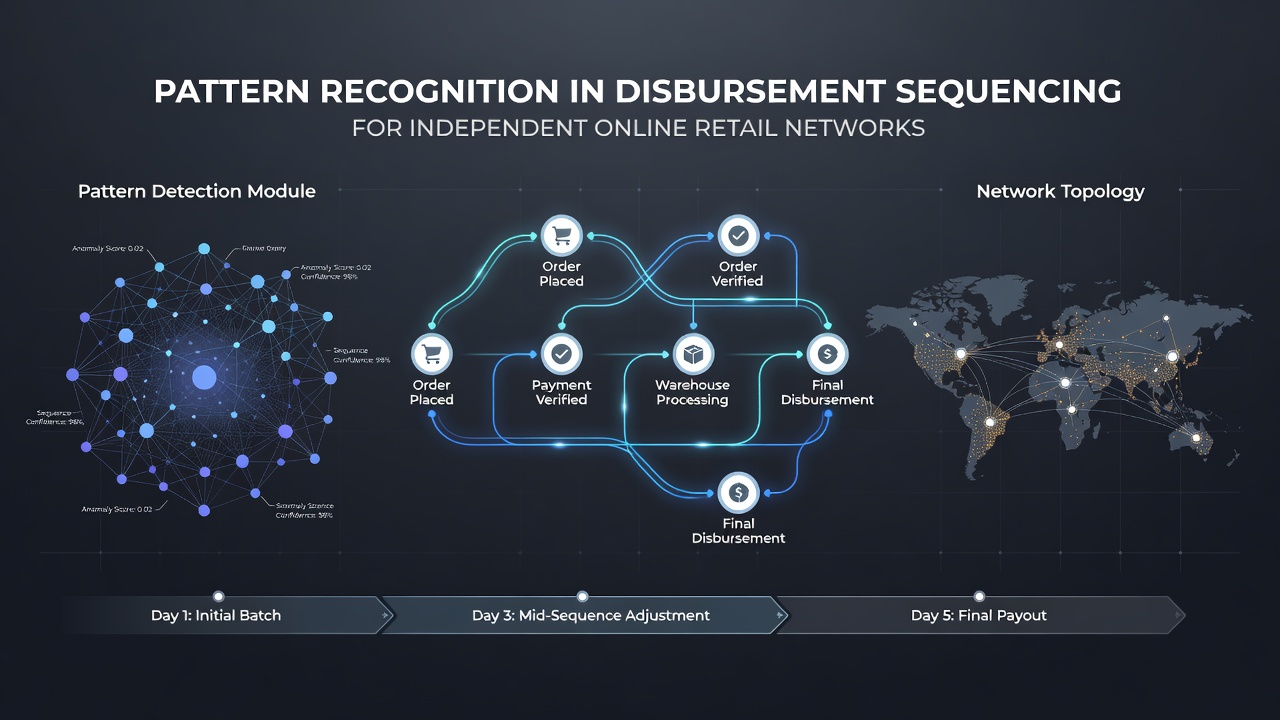
Independent online retail networks rely on disbursement sequencing to manage payouts to vendors, suppliers, and service providers while maintaining operational liquidity across multiple channels. Pattern recognition techniques examine historical transaction data, timing variables, and volume fluctuations to determine optimal payout schedules that reduce processing costs and minimize delays. These methods draw from machine learning models that identify recurring sequences in payment flows, allowing systems to predict peak demand periods and adjust release timings accordingly.
Core Mechanisms Behind Disbursement Sequencing
Disbursement sequencing organizes the order and timing of fund transfers based on predefined rules combined with dynamic data inputs, whereas pattern recognition enhances this process by detecting subtle correlations that static rules might overlook. Systems process inputs such as order volumes, settlement cycles, and vendor performance metrics to group payouts into batches that align with banking cutoffs and network capacity limits. Data compiled through June 2026 indicates that networks using these combined approaches achieve measurable reductions in failed transaction rates compared with earlier manual scheduling methods.
Algorithms evaluate factors including average transaction size, frequency of returns, and seasonal sales spikes to forecast cash requirements days or weeks ahead. This forecasting supports the creation of sequenced release windows that prevent simultaneous high-volume outflows from straining available reserves. Observers note that independent retailers operating across dispersed geographic areas benefit particularly when models account for regional banking holidays and currency settlement differences.
Integration with Transaction Monitoring Systems
Pattern recognition operates alongside real-time authorization logs to flag anomalies before disbursements occur, creating layered safeguards within retail payment infrastructures. Models trained on aggregated datasets identify deviations from established vendor payout histories, prompting additional verification steps when unusual patterns emerge. European Central Bank analyses of payment system data highlight how such integrations contribute to smoother multi-vendor settlements by reducing the incidence of manual interventions.
Networks that combine these capabilities often route smaller routine payouts through automated sequences while reserving larger or irregular amounts for scheduled reviews. This tiered approach maintains efficiency without sacrificing oversight, especially in environments where hundreds of independent sellers process transactions daily. Research from institutions tracking digital commerce metrics shows consistent improvements in settlement accuracy when pattern-based filters are applied at the sequencing stage.
Applications Across Distributed Retail Platforms
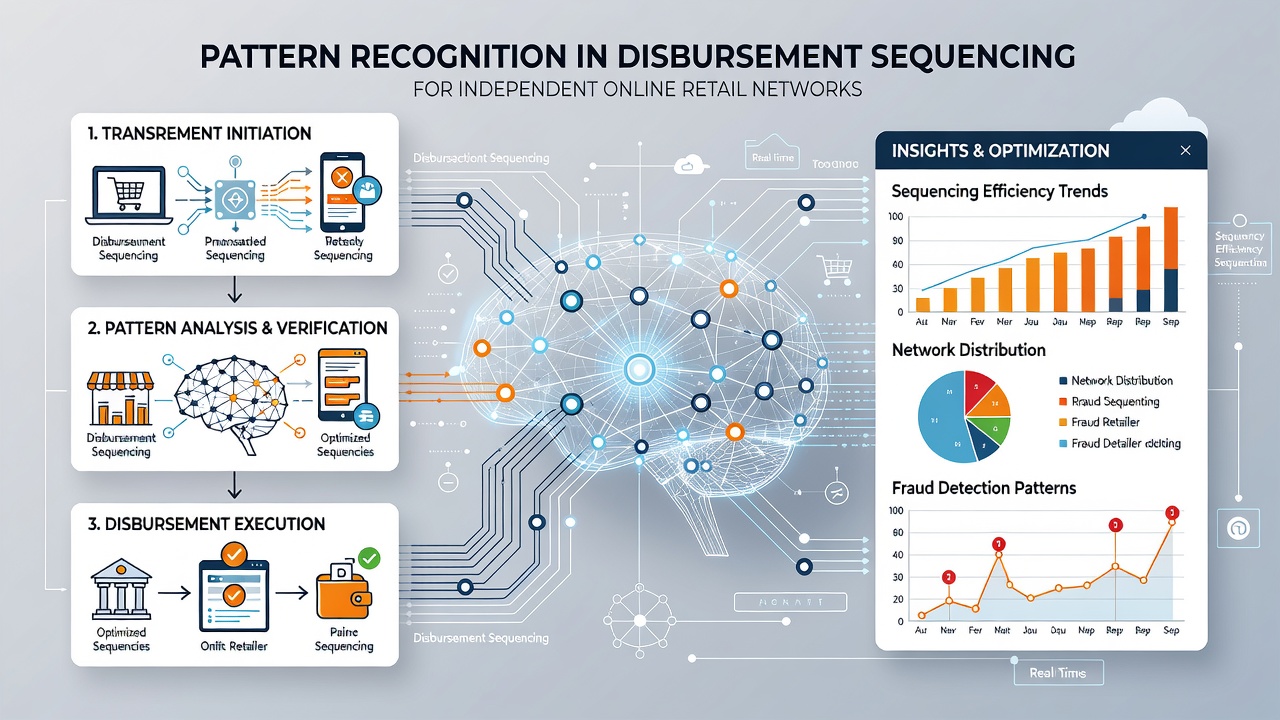
Independent retail networks spanning multiple marketplaces use pattern recognition to synchronize payouts with incoming revenue streams, thereby preserving working capital during fluctuating demand cycles. Models analyze cross-channel data to detect when certain product categories trigger faster or slower customer payments, allowing disbursement timing to shift accordingly. Platforms handling both digital goods and physical inventory frequently apply these insights to balance vendor expectations with internal cash management needs.
One documented case involved a network of regional sellers that adjusted weekly payout batches after recognition algorithms identified recurring delays in international card settlements. The resulting sequence changes reduced average vendor wait times without increasing overall processing expenses. Similar adjustments appear in reports covering North American and Asia-Pacific retail consortia, where localized data inputs refine global sequencing rules.
Technical Components and Data Inputs
Machine learning frameworks employed in this domain typically incorporate supervised classification for known pattern categories alongside unsupervised clustering for emerging trends. Input variables range from raw transaction timestamps to derived metrics such as vendor reliability scores and inventory turnover rates. Systems update model parameters periodically using fresh settlement records to maintain relevance as market conditions evolve.
Batch processing pipelines feed these models with encrypted transaction logs, ensuring compliance with data protection standards while enabling large-scale analysis. Outputs translate into actionable sequencing instructions that integrate directly with payment gateway APIs. Those who manage such platforms report smoother reconciliation processes when pattern outputs feed forward into automated ledger updates.
Regulatory and Operational Considerations
Payment networks must align pattern-driven sequencing with requirements from oversight bodies that govern fund transfers and consumer protections. Guidelines from authorities such as the Reserve Bank of Australia emphasize transparency in automated decision-making, prompting operators to maintain audit trails that document how recognized patterns influence payout decisions. Compliance teams review model logic regularly to confirm that sequencing remains consistent with anti-money laundering protocols and settlement finality rules.
Independent retail operators also factor in vendor contract terms that stipulate minimum payout frequencies, ensuring automated sequences do not inadvertently breach service-level agreements. When external events such as currency volatility or infrastructure outages occur, systems incorporate override mechanisms that revert to conservative timing until conditions stabilize. Data from multi-region studies indicate these hybrid controls support continuity across borderless storefront operations.
Conclusion
Pattern recognition continues to refine disbursement sequencing practices within independent online retail networks by transforming raw transaction histories into predictive scheduling intelligence. The approach integrates with existing monitoring and compliance frameworks to support efficient, secure fund movements across distributed vendor bases. As datasets expand and model sophistication increases, networks gain additional tools for aligning payout sequences with both operational realities and external regulatory expectations.