Shifting Regulatory Winds: How Currency Fluctuation Buffers Reshape Vendor Onboarding Timelines in Borderless Digital Storefronts
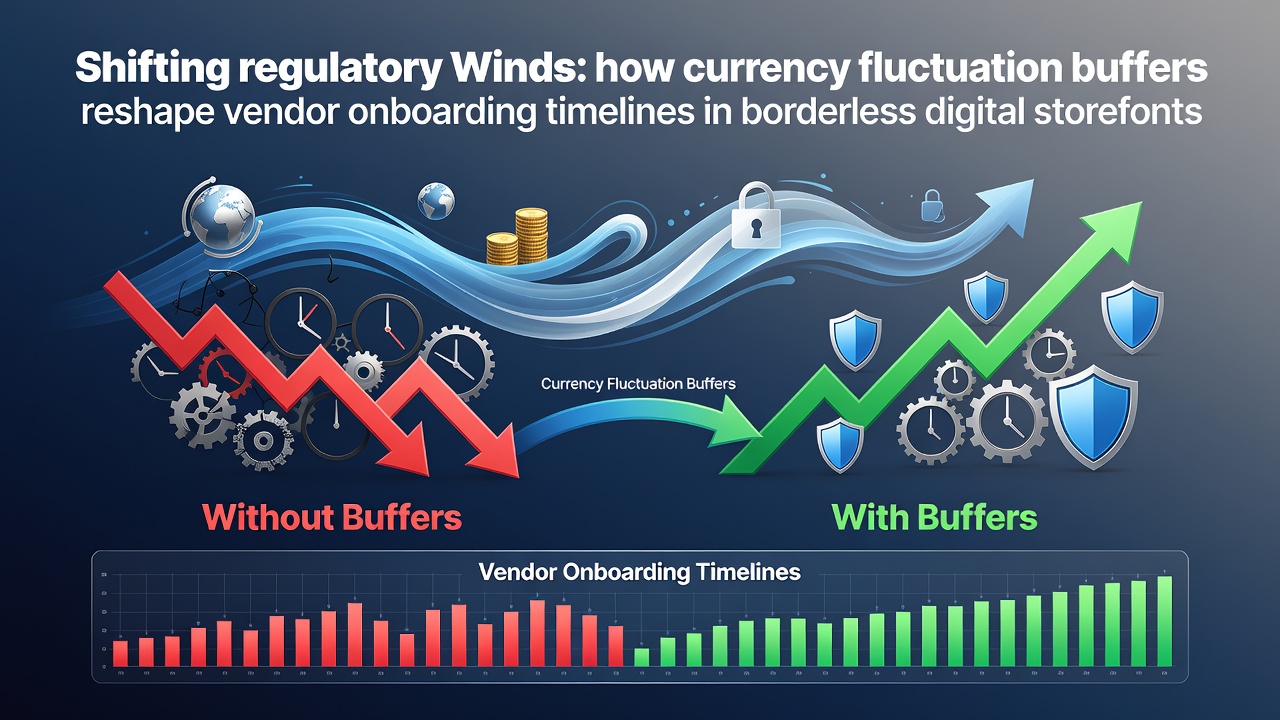
Borderless digital storefronts have expanded rapidly in recent years, and currency fluctuation buffers now sit at the center of how platforms manage vendor entry while meeting evolving compliance standards. These buffers function as automated mechanisms that stabilize transaction values against exchange rate swings, and they tie directly into the verification steps required during onboarding because regulators increasingly view foreign exchange exposure as a risk factor in cross-border commerce.
Defining Currency Fluctuation Buffers in Digital Marketplaces
Platforms deploy these buffers through a combination of real-time hedging tools and dynamic reserve allocations that adjust vendor settlement amounts based on live currency data feeds, and research from the Federal Reserve shows that such systems reduced settlement volatility by measurable margins in multi-currency environments during recent testing periods. Observers note that the buffers also feed into compliance checks because platforms must demonstrate they can maintain consistent payout values even when exchange rates shift beyond preset thresholds, which adds layers to the initial documentation review.
Regulatory Changes Affecting Onboarding Procedures
In June 2026 several jurisdictions updated their guidelines on cross-border payment intermediaries, requiring platforms to incorporate explicit currency risk assessments into vendor approval workflows, and these updates expanded the scope of anti-money laundering reviews to include stress testing of fluctuation buffers against historical rate movements. Data from the European Central Bank indicates that similar rules implemented earlier in the decade extended average approval cycles by several weeks for vendors operating in volatile currency pairs, since each new buffer configuration now triggers an additional validation step by compliance teams.
How Buffer Integration Extends Verification Timelines
Vendor onboarding begins with identity verification and business documentation, yet the addition of currency buffer requirements inserts new checkpoints where platforms must confirm that hedging partners meet regulatory standards and that reserve calculations align with transaction volume projections. One study of marketplace operators revealed that vendors from regions with frequent rate swings faced extended reviews because each buffer model required separate audit trails, and those trails now link directly to settlement reporting systems used for ongoing oversight. Platforms therefore sequence their checks so that buffer configuration occurs after core KYC clearance but before final account activation, which creates a natural bottleneck when multiple vendors submit applications simultaneously.

Regional Variations in Implementation Approaches
North American platforms tend to embed buffer logic inside existing payment rails, whereas operators serving Asia-Pacific markets often partner with specialized treasury providers to handle the technical side of rate stabilization, and these differences produce distinct onboarding durations depending on the primary settlement currencies involved. Researchers tracking platform data found that vendors dealing in emerging market currencies encountered longer delays because buffer algorithms demanded more frequent recalibration, which in turn required fresh regulatory sign-off before accounts could process live transactions. The result is a landscape where onboarding speed correlates closely with the volatility profile of each vendor's target markets rather than with business size alone.
Technical Infrastructure Supporting Compliance Alignment
Modern storefront systems integrate application programming interfaces that pull live exchange data into the onboarding dashboard, allowing compliance officers to simulate buffer performance across multiple scenarios before granting approval. Those who've examined platform architectures note that this integration reduces manual review time in stable currency environments yet increases it when vendors request custom buffer thresholds tied to specific product categories or seasonal sales patterns. Automated logging of every buffer adjustment now forms part of the permanent vendor record, satisfying audit requirements that regulators introduced to track how platforms mitigate foreign exchange risk throughout the vendor lifecycle.
Future Outlook for Vendor Entry Processes
As more jurisdictions align their rules around standardized buffer reporting formats, platforms are investing in unified compliance modules that pre-validate common buffer configurations, which could shorten timelines for vendors operating within approved currency bands. Evidence from industry reports suggests that early adopters of these modules already see modest reductions in average onboarding duration for repeat applicants who maintain consistent transaction profiles across borders. The interplay between buffer technology and regulatory oversight therefore continues to define the operational rhythm of global digital storefronts, shaping how quickly new vendors can begin processing payments without exposing platforms to compliance gaps.
Conclusion
Currency fluctuation buffers have moved from optional technical features to required compliance components in many regulatory frameworks, and their integration directly influences the sequence and duration of vendor onboarding in borderless digital storefronts. Platforms that align their buffer systems with current reporting standards position themselves to navigate approval processes more efficiently while maintaining the transaction stability that both vendors and regulators expect.