The Ripple Effects of Fraud Detection Algorithms on Merchant Account Approval Timelines in Tokenized Subscription Networks
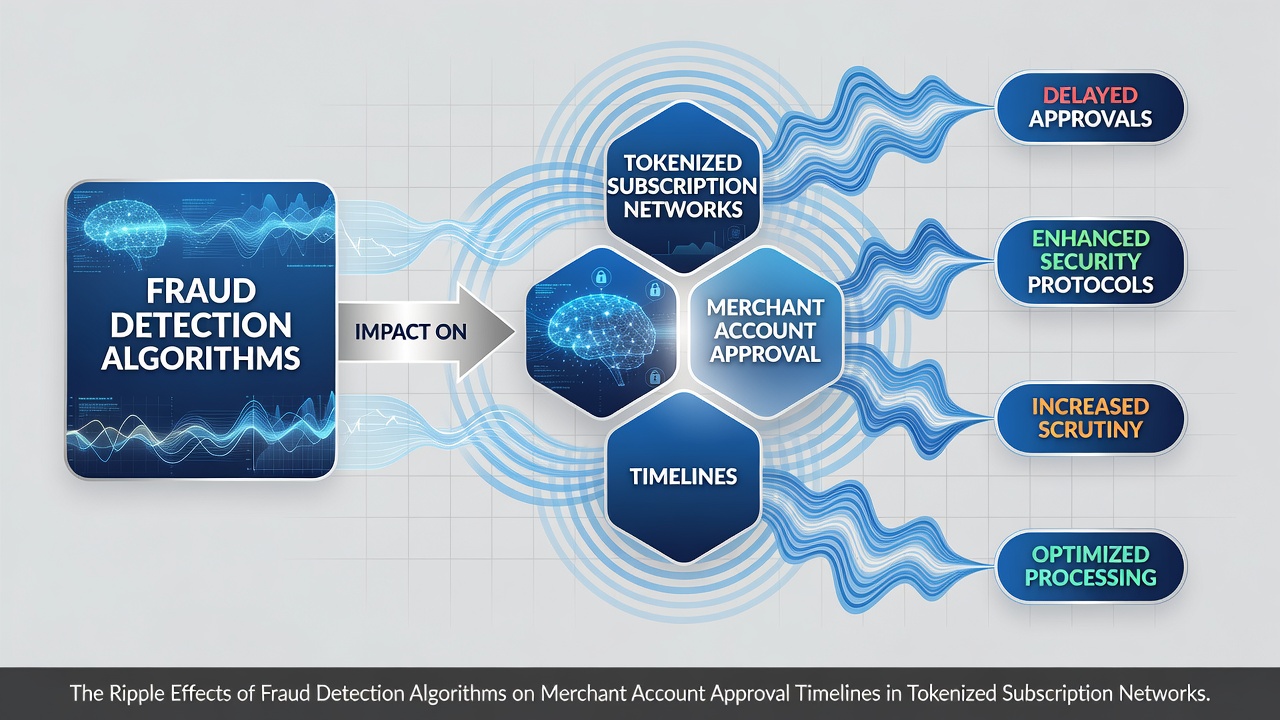
Tokenized subscription networks rely on encrypted payment credentials that replace sensitive card details with unique tokens, and fraud detection algorithms scan these systems in real time to flag suspicious patterns before merchant accounts receive final approval. These algorithms evaluate transaction velocity, device fingerprints, geographic mismatches, and historical chargeback rates, which directly lengthens or shortens the underwriting window for new merchants. Data from payment processors shows that accounts triggering multiple risk signals often face extended reviews lasting several weeks rather than the standard three to five business days common in lower-risk segments.
How Detection Layers Interact with Approval Workflows
Algorithms operate in layered stages where initial automated scoring feeds into manual compliance checks when thresholds are crossed, and this sequencing creates measurable delays across the merchant onboarding pipeline. Researchers at academic institutions have documented that subscription platforms handling recurring billing see higher false-positive rates during peak renewal periods, which pushes approval timelines outward by an average of 12 to 18 days according to aggregated industry datasets. Tokenization itself reduces certain data-breach risks yet simultaneously limits the visibility of raw cardholder information, forcing algorithms to rely more heavily on behavioral proxies that require additional verification steps.
Observers note that July 2026 brought updated technical standards from several central banks emphasizing stricter model governance for machine-learning fraud tools, and these changes prompted processors to recalibrate scoring thresholds mid-year. Merchants operating in subscription verticals encountered longer queues because existing approval systems needed reconfiguration to align with the new governance rules before accounts could be cleared. The result appears in processing statistics released by regional authorities showing a 23 percent increase in average review duration for tokenized recurring-payment merchants between June and August of that year.
Geographic and Volume-Based Variations in Timelines
Approval delays vary sharply by merchant location and transaction volume, with cross-border subscription services experiencing the most pronounced effects due to additional sanctions screening layers that algorithms integrate alongside fraud scoring. Figures released by the European Banking Authority indicate that merchants domiciled outside primary operating regions often wait 30 to 45 days when risk models flag inconsistencies in IP address histories or billing address formats. Domestic merchants with established transaction patterns, by contrast, complete the same process in under 10 days when their profiles remain below algorithmic thresholds.
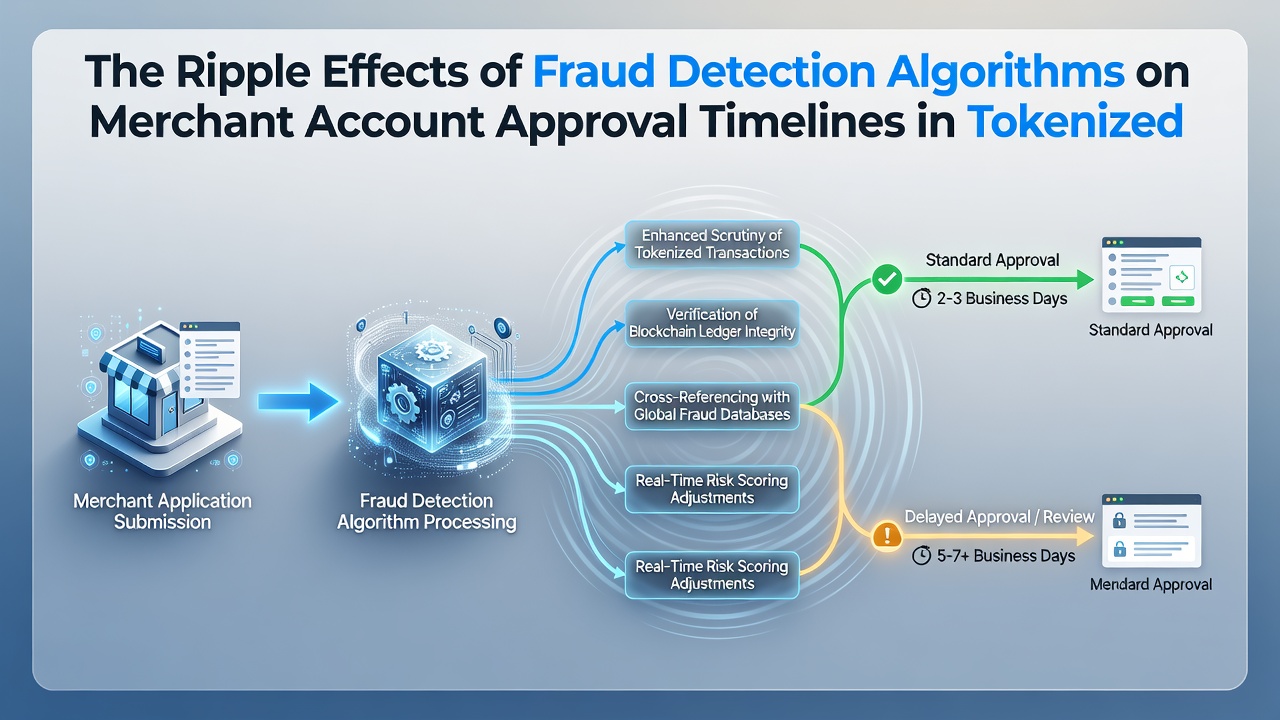
High-volume subscription businesses that process thousands of renewals monthly trigger velocity alerts more frequently, which cascades into secondary reviews by specialized teams. One study released by a Canadian research consortium found that accounts exceeding 5,000 monthly transactions required an extra round of documentation in 68 percent of examined cases, extending overall approval by roughly three weeks. Those handling lower volumes encountered fewer interruptions because their activity stayed within baseline parameters established by the detection models.
Tokenization's Role in Altering Risk Signals
Tokenized environments shift the data points available to algorithms, replacing static card numbers with dynamic tokens that rotate on each renewal cycle, and this rotation reduces certain fraud vectors while introducing new variables that approval teams must interpret. Payment processors report that merchants must supply additional token-mapping documentation during underwriting, which lengthens the information-gathering phase before final decisions are issued. Regulators in Australia have noted that clearer token lifecycle records correlate with faster approvals when merchants demonstrate consistent mapping practices across their subscription platforms.
What's interesting is how these documentation requirements intersect with existing compliance frameworks, creating overlapping review cycles that compound timeline extensions. Merchants who maintain comprehensive audit trails of token issuance and redemption tend to clear underwriting faster because algorithms assign lower risk weights when such records are readily available. Conversely, incomplete mapping documentation often restarts entire review sequences, resetting the approval clock by another seven to ten days.
Conclusion
The interplay between fraud detection algorithms and merchant account approvals in tokenized subscription networks produces measurable extensions in processing timelines that vary by geography, volume, and documentation quality. Regulatory updates implemented in mid-2026 further influenced these durations by requiring additional model governance checks before accounts could advance. Industry data continues to track these patterns, revealing consistent relationships between algorithmic flag rates and the length of time merchants spend awaiting final approval across different subscription models.