Unveiling teh Mechanics Behind Automated Reconciliation in Multi-Vendor Transaction Settlements
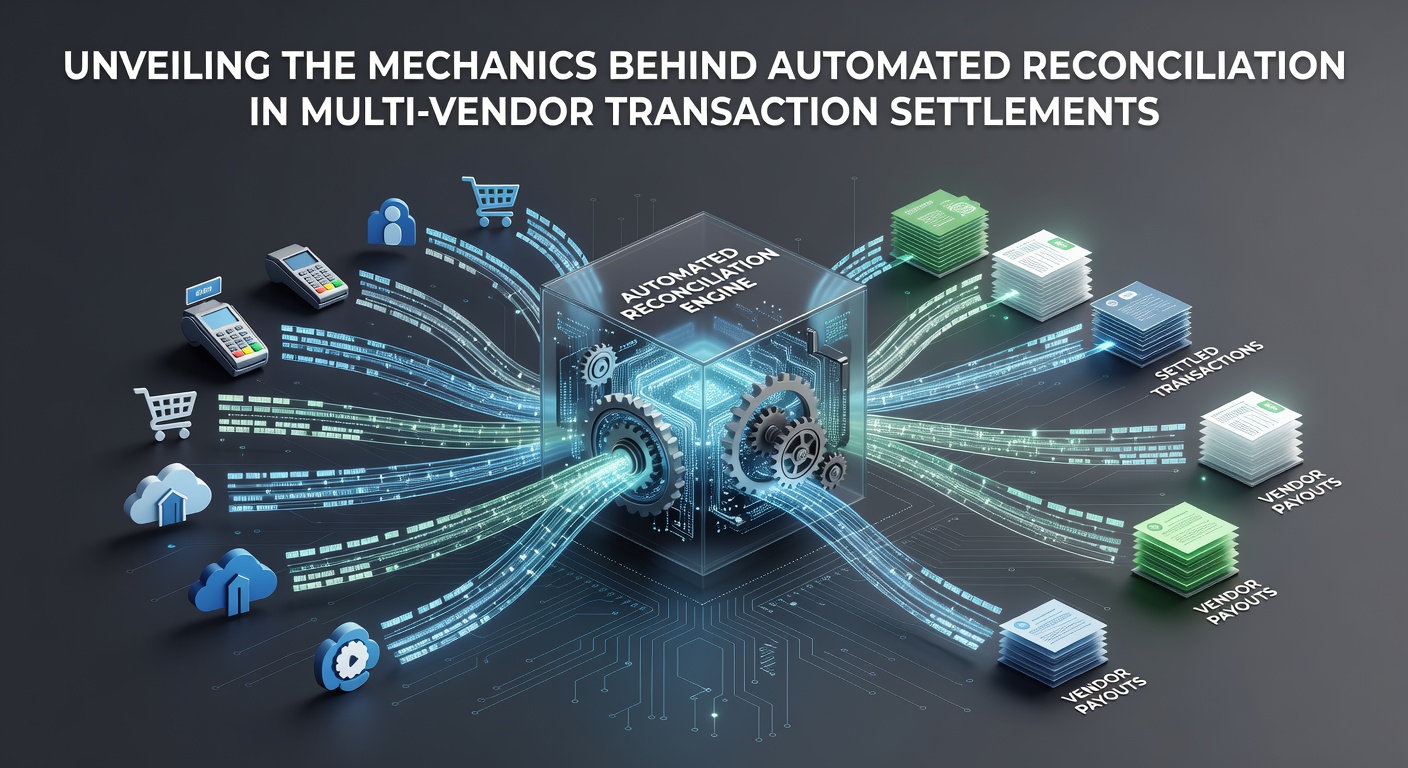
Automated reconciliation systems handle the matching of payments against invoices across numerous vendors in transaction settlements, and these processes rely on structured data flows that connect payment gateways with accounting ledgers while reducing manual intervention through predefined rules and algorithms. Observers note that such systems process high volumes of entries daily, pulling data from disparate sources like bank feeds, vendor portals, and point-of-sale records to identify correspondences based on amounts, dates, reference numbers, and merchant identifiers.
Multi-vendor environments introduce layers of complexity because each supplier operates under distinct terms, currencies, and reporting formats, yet the core mechanism begins with data ingestion where software extracts transaction details via APIs or file uploads, then applies matching logic that flags exact alignments or near-matches requiring review. Researchers from academic institutions have documented how these platforms maintain audit trails that log every decision point, allowing compliance teams to trace discrepancies back to their origins without sifting through spreadsheets.
Core Components of Matching Algorithms
Matching algorithms form the backbone of these operations, and they operate by comparing fields such as transaction IDs, invoice numbers, and payment amounts while incorporating tolerance thresholds for minor variances caused by fees or rounding differences. When exact matches occur the system auto-approves the entry and updates the settlement status, whereas partial matches trigger workflows that route items to human reviewers equipped with contextual data pulled from linked records. Data from industry reports shows that organizations adopting these tools achieve higher match rates over time as the systems learn from past corrections and refine their parameters accordingly.
Integration points connect the reconciliation engine to enterprise resource planning software and banking institutions, enabling real-time updates that reflect incoming wires or card settlements as they clear through networks. Those who have implemented such setups observe that synchronization occurs at scheduled intervals or on-demand, which supports continuous monitoring rather than batch processing at month-end. What's interesting is how these connections accommodate multi-currency transactions by applying exchange rates at the point of ingestion, thereby aligning values across borders without separate conversion steps.
Handling Discrepancies and Exception Management
Discrepancies arise from timing differences, unapplied credits, or vendor-specific deductions, and automated frameworks categorize them into buckets such as timing issues or data errors before escalating unresolved items according to predefined escalation paths. Exception queues prioritize high-value or aged entries, and the software generates notifications that include suggested resolutions drawn from historical patterns. According to figures from the Federal Reserve, transaction volumes in multi-vendor setups have increased steadily, underscoring the need for scalable exception handling that prevents bottlenecks during peak settlement periods.
Security protocols embed within these systems to protect sensitive financial data, employing encryption during transmission and storage alongside role-based access controls that limit visibility to authorized personnel. Observers note that compliance with standards like PCI DSS occurs through automated checks that verify data handling practices at each stage of the reconciliation cycle. In May 2026 updates to reporting requirements from various regulatory bodies are expected to influence how platforms document cross-border settlements, prompting vendors to enhance their logging capabilities in advance.
Scalability Across Growing Vendor Networks
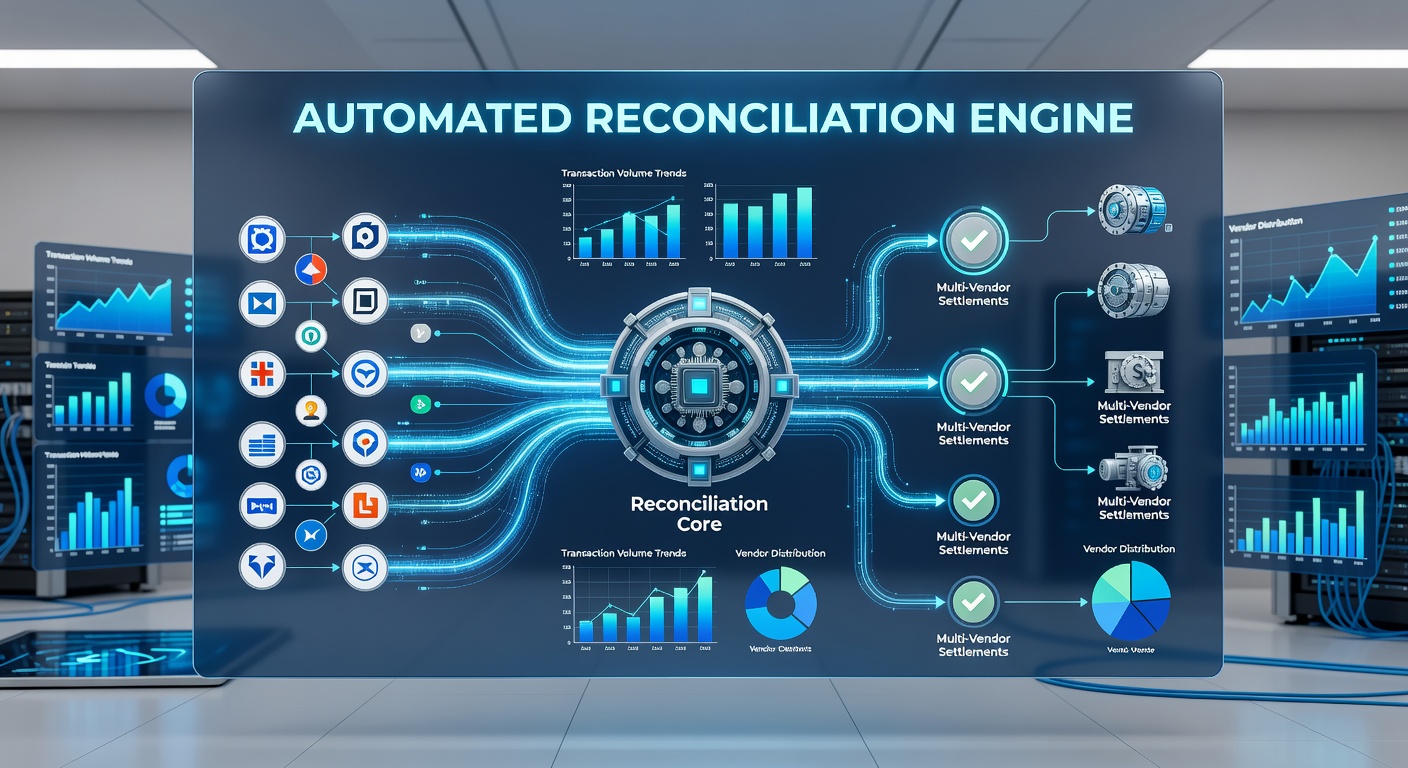
Scalability becomes essential as vendor counts expand, and cloud-based architectures allow the reconciliation platform to distribute processing loads across multiple servers while maintaining consistent performance during high-volume periods. Modular design permits the addition of new data sources without overhauling existing configurations, and this flexibility supports businesses that onboard suppliers from different regions with varying settlement cycles. Studies from research organizations indicate that firms using automated solutions report reduced cycle times for closing books, since the system completes initial matching rounds overnight and leaves only anomalies for daytime attention.
Reporting features generate summaries that break down matched volumes, exception rates, and settlement totals by vendor category or time period, and these outputs feed into dashboards used by finance teams for oversight. The reality is that integration with analytics tools transforms raw reconciliation data into insights about payment trends or vendor reliability, although the primary function remains accurate matching rather than predictive modeling. People who've examined these implementations find that vendor-specific rules can be configured individually, accommodating unique invoice formats or approval hierarchies without compromising the overall workflow.
Future Developments in Settlement Automation
Emerging developments include greater incorporation of machine learning models that predict likely matches based on vendor behavior patterns, and these enhancements build on existing rule sets to handle ambiguous cases more effectively. Regulatory bodies in regions such as the European Union and Australia continue to shape data privacy expectations around financial records, requiring platforms to maintain transparent processing logs that satisfy audit demands from multiple jurisdictions. Reserve Bank of Australia reports highlight ongoing efforts to standardize settlement messaging formats, which could streamline reconciliation further by reducing format-related mismatches across international vendors.
Conclusion
The mechanics of automated reconciliation in multi-vendor transaction settlements center on systematic data ingestion, algorithmic matching, and structured exception handling that together create reliable settlement outcomes. Organizations continue to refine these processes through technological upgrades and regulatory alignment, ensuring that growing transaction volumes remain manageable without proportional increases in manual effort. As networks expand and reporting standards evolve, the foundational elements of these systems provide the stability needed for consistent financial operations across diverse vendor landscapes.